Mountain Climbing Gear Cost in 2026: A Complete Pricing Guide
The single biggest question new climbers ask is not “where should I go” but “what will all this cost me.” A full mountain climbing gear cost kit runs roughly $1,300 to $4,500 in 2026, depending on whether you buy budget, mid-range, or premium equipment. The exact number depends on your objective: a summer rock route needs far less than a winter alpine ascent.
That wide range trips people up, however. Most beginners buy too much too fast, or they cheap out on the exact items that keep them safe. This guide breaks down real 2026 prices piece by piece, shows you where to save and where to spend, and gives you a clear total before you commit a single dollar.
What Drives Mountain Climbing Gear Cost?
Several factors push the final number up or down, and understanding them helps you shop smarter.
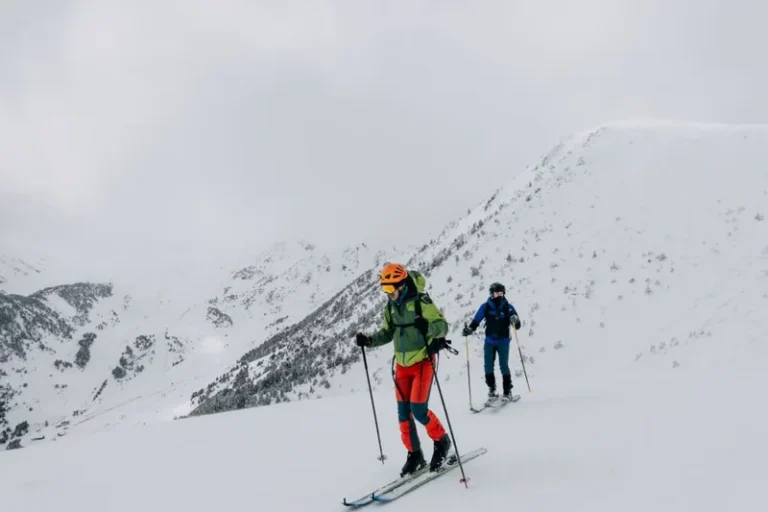
The type of climbing matters most. Trad and big-wall climbing demand racks of cams, nuts, and slings, while a guided snow summit needs crampons, an ice axe, and stiff mountaineering boots. Rock-only climbers skip the winter hardware entirely, which can cut several hundred dollars from the bill.
Quality tier is the second lever. A budget harness protects you just as well as a premium one, because all certified gear meets the same safety standards. What you pay extra for at the top end is weight, durability, and small comfort refinements, not raw safety.
Season and destination shift prices too. Gear bought in early winter is rarely discounted, while late-spring clearance sales on last year’s model frequently knock 30–40% off. In addition, shops in mountaineering hubs such as Chamonix or Kathmandu sometimes beat online prices for local brands.
The Complete 2026 Mountain Climbing Gear Cost Table
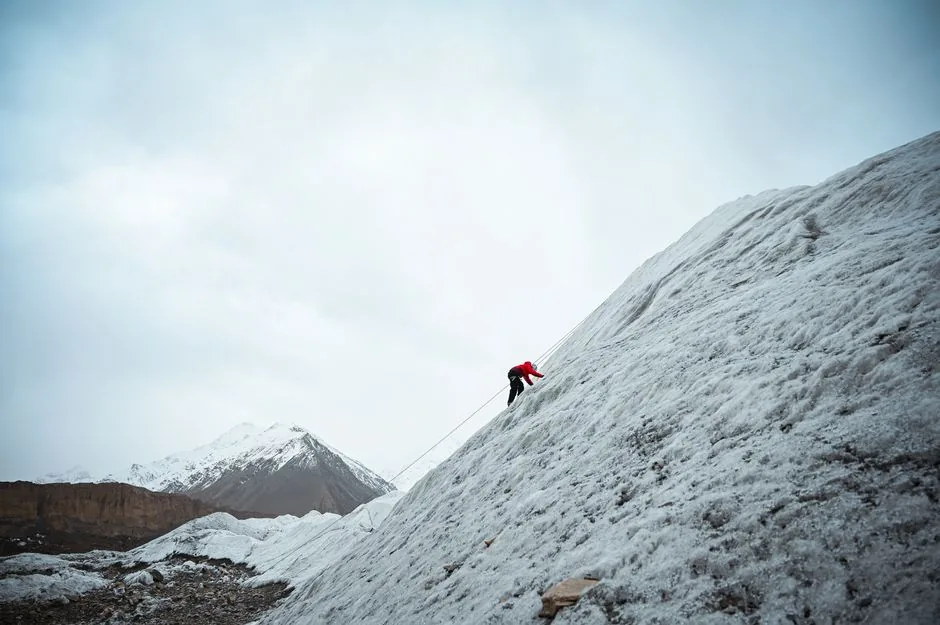
The table below shows per-item ranges for a standard alpine and rock kit, using honest 2026 street prices rather than list price.
| Gear item | Budget | Mid-range | Premium |
|---|---|---|---|
| Climbing shoes | $80–120 | $150–180 | $200–250 |
| Harness | $50–70 | $90–120 | $150–200 |
| Helmet | $60–80 | $100–140 | $160–200 |
| Rope (70 m dynamic) | $160–200 | $220–280 | $300–350 |
| Belay device + locking carabiner | $30–50 | $60–80 | $90–120 |
| Quickdraws (set of 6) | $70–90 | $110–140 | $160–180 |
| Crampons | $100–130 | $170–200 | $250–300 |
| Ice axe | $80–110 | $140–180 | $220–280 |
| Mountaineering boots | $200–260 | $350–450 | $550–700 |
| Belay parka (insulated) | $150–200 | $300–380 | $500–650 |
| Hardshell jacket + pants | $150–250 | $350–500 | $600–800 |
| Backpack (30–45 L) | $100–150 | $180–250 | $300–400 |
| Headlamp | $30–45 | $60–80 | $100–150 |
| Approximate total | $1,260–1,755 | $2,290–2,970 | $3,780–4,850 |
These totals assume you already own base layers, socks, and a general hiking wardrobe. If you are starting completely from scratch, add roughly $200–400 for technical layers, gloves, and a warm hat.
Where to Spend and Where to Save
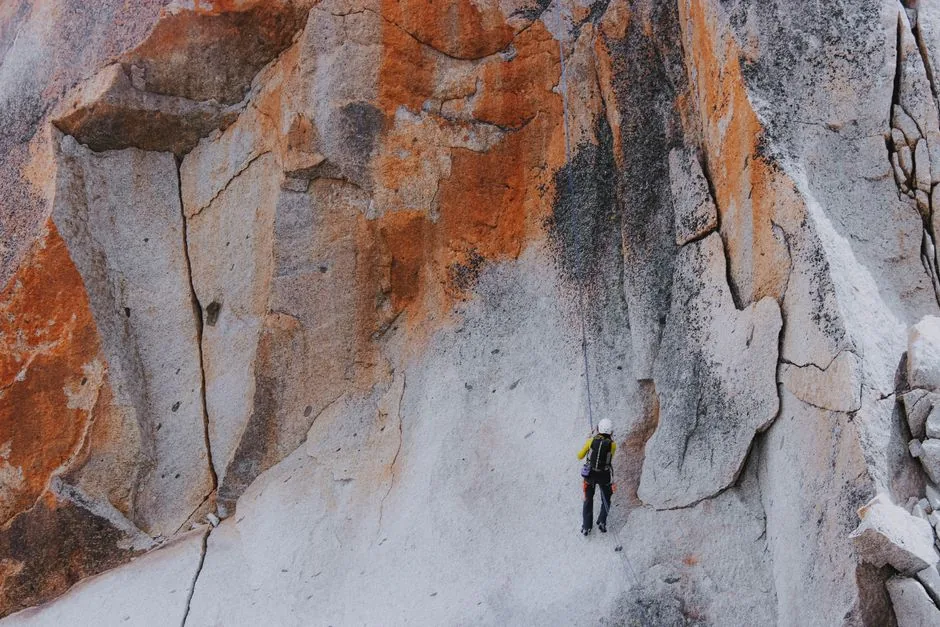
Not every category deserves the same budget. Knowing the difference is how you keep mountain climbing gear cost reasonable without compromising safety.
Spend on anything that protects your life. A helmet, rope, harness, carabiners, and crampons should be bought new, certified, and from a known brand. The UIAA sets the international safety standards for this hardware, and any certified piece, budget or premium, has passed the same tests. For that reason, a mid-range helmet is genuinely as safe as a top-shelf one.
Save on softgoods and accessories. A belay parka, backpack, and headlamp do not need to be the latest model. Last season’s colors are often 30% cheaper. Likewise, climbing shoes wear out fast, so beginners should start with a comfortable, mid-priced pair rather than a $250 aggressive shoe that will hurt and get trashed in the first season.
Buy once on boots. Mountaineering boots are the hardest item to rent well, and a bad fit can ruin a summit bid. This is one place where the premium tier often pays for itself over years of use.
Buying New vs. Renting Climbing Gear
If you climb only once or twice a year, renting changes the whole math.
A full rental package, including boots, crampons, ice axe, harness, and helmet, typically costs $35–70 per day at alpine shops in places such as Chamonix, Mont-Tremblant, or the Cascades. On a five-day trip, that is $175–350, far less than the $1,300-plus a full purchase would cost. Therefore, occasional climbers should rent hardware and buy only personal items like boots and a properly fitted helmet.
On the other hand, frequent climbers hit a break-even point quickly. If you climb six or more days a year, buying used or mid-range gear becomes cheaper than renting within two seasons.
A quick cost-per-use test. Divide the purchase price by the days you expect to climb. A $350 pair of mountaineering boots used fifteen times works out to about $23 per day, versus a $20 daily rental fee for boots alone. Once ownership edges under the rental rate, buying clearly wins, and you get the bonus of a boot that is already broken in to your feet.
How Season and Location Change the Price
Timing your purchase is one of the easiest money savers in this hobby.
End-of-season sales are the sweet spot. Most retailers clear winter hardware in March and April, and rock gear in late autumn. Discounts of 30–50% are common, especially on ice axes, crampons, and high-end shells that simply did not sell in standard sizes.
Location matters for specialized kit. Buying glacier gear in a flat, warm country usually means paying import markups. For example, a niche item like an ice screw or a snow anchor can cost 20–40% more outside a mountaineering market. If you are traveling to climb, consider whether buying at REI’s expert climbing guides or a local hub shop makes more sense than ordering at home.
Safety Gear You Should Never Cheap Out On
Some corners cannot be cut. These three items deserve a certified, full-price purchase every time.
Rope. A retired or damaged rope is a silent risk. Buy new from a reputable seller, store it cool and dry, and log every fall and rappel. Never buy a used rope whose history you cannot verify.
Helmet. Rockfall and falling ice do not negotiate. A helmet with a cracked shell or an expired foam liner belongs in the bin. Certified helmets start under $70, so there is no excuse to climb without one.
Harness and belay device. These take repeated, high-force loads. Replace them after any significant impact or once they show wear on the webbing and buckles.
For anything that links you to the wall, treat certification as the floor, not the ceiling.
Mountain Climbing Gear Cost for Beginners: A Realistic Starter Budget
Let’s put it into a concrete plan. A beginner targeting summer rock and an introductory snow course should budget for this mid-range setup.
Most new climbers can get fully equipped for around $2,300–2,600 total if they buy mid-range hardgoods and hunt sales on softgoods. That figure drops under $1,800 if they rent crampons, ice axe, and rope for the first season. Therefore, most people do not need to drop $4,000 on day one; they need a safe, serviceable kit and a plan to upgrade as they learn.
Hidden Gear Costs Most First-Timers Forget
The sticker price of a rack is only part of the story. Several smaller, recurring costs catch beginners by surprise, and they add up fast.
Consumables never stop. Chalk, tape, and chalk-bag refills cost $15–35 per season. You will burn through them faster than you expect, especially during hot, sweaty rock days. For that reason, budget a small monthly line for consumables rather than a one-time purchase.
Resoling and replacements. Aggressive climbing shoes usually need a resole every six to twelve months at $45–70. Harnesses and ropes, meanwhile, have a hard service life. A rope that takes hard falls should be retired after about five years of regular use, which means a $250 rope is effectively $50 per year.
Guide and course fees are separate. If you are new, a two-day intro course or a guided summit attempt typically costs $300–900 and often requires you to own certain basics. Therefore, the “gear budget” and the “learning budget” are really two separate lines. Our look at all-inclusive adventure travel packages explains what operators usually bundle, so you can compare DIY gear costs against a guided price.
Storage and transport. A duffel, rope bag, and checked-bag fees for flying to a climbing destination add $50–150 per trip. Few budgets include them, but they are real, repeatable costs.
Frequently Asked Questions
How much does mountain climbing gear cost in total?
A complete new kit runs about $1,300–$1,800 at the budget tier, $2,300–$3,000 mid-range, and $3,800–$4,850 premium in 2026. Rock-only climbers can stay closer to $900–1,200, while winter alpine climbers often push past $4,500.
Is expensive climbing gear safer than cheap gear?
No. Certified budget gear meets the same safety standards as premium gear. What you pay extra for is lighter weight, longer durability, and better fit. For that reason, a certified $60 helmet protects you as well as a $200 one.
Should I rent or buy climbing gear?
Rent if you climb a few days a year; a full rental package is $35–70 per day. Buy if you climb six or more days annually, because purchased mid-range gear pays for itself within two seasons.
What gear should beginners buy first?
Start with a helmet, harness, belay device, and a pair of comfortable climbing shoes. Rent the rope, crampons, and ice axe at first, then add them as your objectives grow more serious.
Which items can I safely buy used?
You can safely buy used cams, nuts, and quickdraws after a close inspection for cracks or worn slings. However, never buy a used rope, helmet, or harness, because their history and impact record are unknowable.
Conclusion
Mountain climbing gear cost is not a single number; it is a range you control with every buying decision. Most people can honestly equip themselves for $1,800–$3,000 in 2026 and climb safely for years, especially if they rent the winter-specific hardware early on and time their purchases around end-of-season sales.
Ready to plan around the gear? Browse our guides to adventure travel insurance comparison so you are covered on the hill, check out the best hiking trips in Europe to put your new boots to work, or compare all-inclusive adventure travel packages if you would rather let an operator handle the logistics.