Ski Trip Insurance: What It Covers, What It Costs, and How to Choose
Skiing is expensive, and the medical care it can lead to is even more so. A single off-piste rescue in the Alps can cost thousands of euros, and a standard travel policy often excludes skiing entirely. Ski trip insurance is the specific cover that fills that gap. It pays for mountain rescue, medical treatment, and lost or damaged equipment when things go wrong on the slopes.
This guide explains exactly what ski trip insurance covers, what it costs, and which exclusions to watch for. By the end, you will know how to read a policy document and avoid paying twice for cover you do not need. First, understand the core protection, then compare quotes with confidence.
Most general travel policies either refuse ski claims or add a steep winter-sports surcharge. Therefore, checking your cover before you book is not a formality — it is the difference between a recovered holiday and a five-figure bill.
What Ski Trip Insurance Covers
A proper ski trip policy bundles several protections that a basic travel plan may skip. Mountain rescue is the headline item. If you are injured on a marked run, a covered policy pays for the helicopter or ground rescue team that gets you off the mountain and to medical care.
Emergency medical treatment is the second pillar. Ski injuries often mean surgery, and hospitals in Alpine resorts charge private rates for travellers. A good policy covers treatment, repatriation home, and the cost of a companion travelling to stay with you.
Equipment cover is the part skiers overlook. Your own skis, board, boots, and poles are usually insured against theft, damage, and airline loss. Rental equipment is also typically covered, so a snapped ski does not leave you with a resort’s replacement bill.
Piste closure cover compensates you when poor snow or high avalanche danger closes the lifts for more than a set number of days. It pays out a daily amount (or covers alternative transport to another resort), which matters if you booked a week of skiing and half the mountain is shut.
Cancellation and curtailment round out the package. If you injure yourself before departure, or a booked resort shuts down, the policy can refund prepaid lift passes, lessons, and accommodation. In addition, many plans include personal liability, which protects you if you collide with another skier and are found at fault.
What Ski Trip Insurance Does Not Cover
Exclusions matter as much as the coverage itself. Off-piste and backcountry skiing is frequently excluded by default, even within resort boundaries. You usually need an explicit off-piste or backcountry add-on, and some insurers require you to ski with a qualified guide for the cover to remain valid.
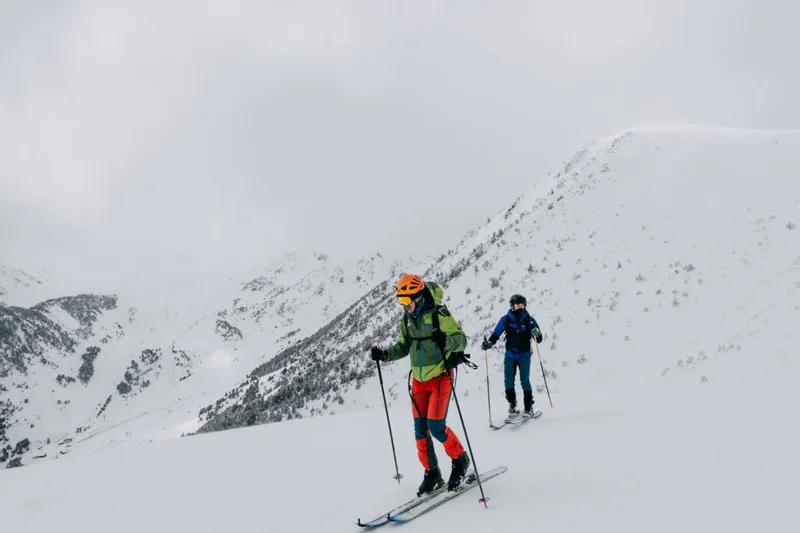
Ski touring and off-piste outside marked areas are treated differently across providers. Therefore, if you plan to skin up or ride slackcountry lines, confirm the wording before you pay. Heli-skiing and ski mountaineering almost always need a specialist extension.
Many policies exclude claims where you ignored weather warnings, skied while intoxicated, or left equipment unattended in a public place. Avalanche risk is covered on standard resort runs, but not when you deliberately enter closed terrain.
Pre-existing medical conditions must be declared. An undeclared heart condition that flares up on the mountain can void your whole policy. Finally, standard policies cap or exclude competitive racing and professional skiing, so instructors and racers need dedicated cover.
Ski Trip Insurance vs Standard Travel Insurance
A general travel policy and ski trip insurance are not the same product. The table below shows where they differ and why skiers should not rely on the basic plan alone.
| Feature | Standard travel insurance | Ski trip insurance |
|---|---|---|
| Mountain rescue | Usually excluded | Included (or add-on) |
| On-piste injury cover | Often excluded | Included |
| Ski equipment (own or rented) | Not covered | Covered |
| Off-piste / backcountry | Excluded | Optional add-on |
| Piste closure due to snow | Not covered | Covered |
| Typical 7-day cost | $15 – $30 | $25 – $80 |
The difference is simple: standard policies treat skiing as a risky extra and exclude it, while ski trip insurance builds the mountain back in. If your existing annual policy offers a winter-sports add-on, that is often the cheapest route. However, confirm the rescue and gear limits match a dedicated policy before you rely on it.
Timing also separates the two. General cover can be bought the day you fly, but ski-specific cancellation cover only protects trips insured before booking. Therefore, decide early and buy as soon as your flights and lift passes are confirmed.
How Much Does Ski Trip Insurance Cost?
Ski trip insurance is cheaper than the medical bills it prevents. For a one-week trip, expect to pay more than a standard travel policy but far less than one rescue. The table below shows realistic 2026 ranges per person for a seven-day single-trip policy.
| Coverage tier | Typical cost (7 days) | Medical limit | Extra protections |
|---|---|---|---|
| Budget | $25 – $45 | $25k – $100k | Emergency medical and rescue only |
| Mid-range | $45 – $80 | $250k – $1m | Off-piste, gear, piste closure |
| Comprehensive | $80 – $150+ | $1m + | Heli-skiing, backcountry, cancellation |
Annual multi-trip winter-sports cover is often the better deal for anyone who skis more than once a season. It typically costs $150–$400 per person and covers every trip in a year. Meanwhile, family policies usually cover children free or at a reduced rate. Your age, destination, and whether you add off-piste cover move the price the most. On the other hand, the destination matters less than people assume; a policy for Japan costs roughly the same as one for Austria, because the rescue network prices are similar.
Off-Piste, Backcountry, and Adventure Add-Ons
The extras you select shape both the price and the value of your cover. Off-piste add-ons are the most important for confident skiers. They extend rescue and medical cover to terrain outside marked boundaries, and some include avalanche transceiver and shovel rental.
Backcountry touring policies cover the uphill leg as well as the descent. If you use touring bindings and skins, tell your insurer, because standard downhill-only policies may reject a claim originating above the tree line.
Heli-skiing and cat-skiing cover is a niche extension purchased mainly for Canada and New Zealand trips. It costs $60–$120 extra per trip and typically demands that you book through a licensed operator. Always check whether rescue from a helicopter accessed zone is included, since some policies cover only the guided portion.
For most skiers, one simple upgrade — off-piste cover with a licensed guide — delivers the best balance of price and protection. Therefore, match the add-on to how you actually ski rather than paying for every option offered.
How to Choose the Right Policy
Start with your itinerary. Note the destination, the number of days, and whether you will leave marked runs. Then read the medical limit, since many budget policies cap treatment at $100,000, which Alpine surgery can exceed quickly.
Check the excess, which is the amount you pay per claim. A low premium with a high excess can leave you out of pocket $500 or more on a gear theft claim. In addition, confirm the piste closure terms, because some insurers only pay after seven consecutive closed days — a threshold most trips never reach.
Compare like with like. The cheap quote sometimes excludes exactly the off-piste cover you planned to use. For a broader look at how winter cover stacks up against standard plans, read our adventure travel insurance comparison. You can also see the full cost of the holiday itself in how much does a ski trip cost to understand what you are insuring.
Keep a copy of your policy number and the insurer’s 24-hour emergency line in your ski jacket, not just in your luggage. If you are injured, the resort patrol will bill quickly, and having the number on hand speeds up authorisation for rescue and treatment. Photograph any damaged or stolen equipment at the scene, and keep rental receipts, since gear claims fail without documentation.
For rescue and safety standards on the mountain, the International Ski Federation (FIS) publishes the rules of conduct that insurers reference in liability disputes, available at fis-ski.com. The National Ski Areas Association offers useful safety statistics and skier responsibility guidance at nsaa.org.
Frequently Asked Questions
Do I really need ski trip insurance?
Yes, if you ski outside your home country. Your standard health insurance rarely covers foreign resorts, and mountain rescue is billed separately. A covered rescue in the Alps routinely costs $3,000 or more before treatment begins.
Does ski trip insurance cover off-piste skiing?
Only if you add it. Standard ski trip insurance covers marked runs. For off-piste and backcountry, you need an explicit extension, and many insurers require a qualified guide.
How much is ski trip insurance for a family?
A family winter-sports policy for a week typically runs $80–$200 depending on cover. Children are often free or discounted, which makes an annual family plan good value for two or more trips a season.
Can I buy ski trip insurance after I arrive?
Usually yes, but some benefits are weaker or excluded at that point. Cancellation cover only protects you if you buy the policy before booking, so buy early for the strongest protection.
Conclusion
Ski trip insurance is not an optional extra for a mountain holiday. It covers rescues, surgery, and gear that no standard travel policy reliably handles. The right policy costs little compared to the risk — often less than a single day of lift passes.
Check the medical limit, the excess, and the off-piste wording before you commit. Then compare a few like-for-like quotes, choose your add-ons deliberately, and ski with the confidence that a fall will not also be a financial disaster. Browse our adventure travel insurance comparison to see the best options for your next trip.