How Much Does a Safari Trip Cost in 2026?
If you have started dreaming about the Serengeti or the Masai Mara, your first question is almost certainly how much does a safari trip cost. The honest answer is that it swings wider than almost any other vacation. A bare-bones self-drive trip can run under $200 per person per day, while a high-end lodge itinerary easily tops $1,500 per person per night. Most travelers land somewhere in the middle, and knowing the levers that move the price helps you build a trip that fits your wallet.
This guide breaks the numbers down line by line. We look at what drives the cost, compare three realistic budget tiers, and expose the hidden fees first-timers forget to add. By the end, you will be able to estimate your own safari budget in minutes rather than weeks.
What Factors Shape How Much a Safari Trip Costs
The price of a safari is rarely about one big ticket. It is the sum of several choices that stack on top of each other, and each one can double or halve your total.
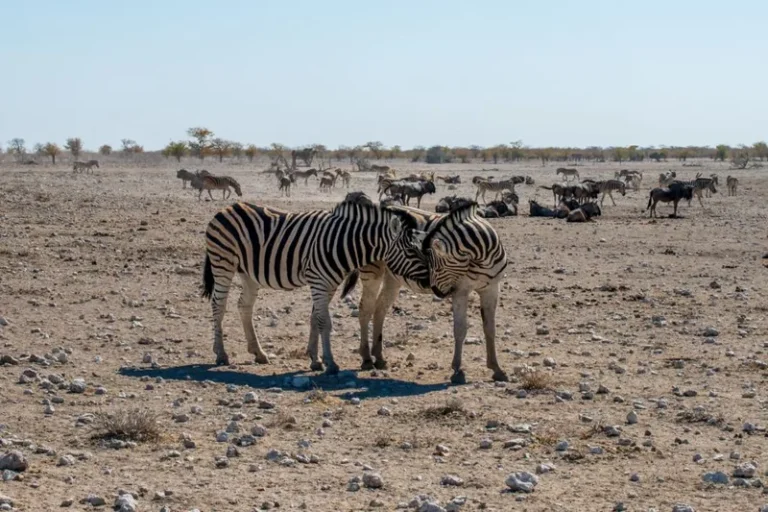
First, the destination matters more than most people expect. Kenya’s Masai Mara and Tanzania’s northern circuit sit at the premium end of the market because their wildlife density is legendary and their lodges are expensive to run. Namibia’s Etosha and South Africa’s Kruger come in cheaper because self-drive is both possible and respected there.
Second, the accommodation style dominates the bill. A tented camp with shared facilities costs a fraction of a bush lodge with a private plunge pool. Third, your party size changes the per-person math because of vehicle and guide fees. Solo travelers pay the most per head, while groups of four to six split costs efficiently.
Finally, the season you pick sets the baseline. Peak season, which usually coincides with the great migration between roughly July and October, carries a premium. Green season, by contrast, is quieter and meaningfully cheaper, though some roads and camps close.
Safari Trip Cost Breakdown by Style
The table below shows realistic 2026 daily costs per person, including accommodation, park fees, a guide or driver, and most meals. These are working estimates, not fixed quotes, so treat them as planning anchors.
| Safari style | Per person / day | What’s included | Who it suits |
|---|---|---|---|
| Self-drive budget | $150–$250 | 4×4 rental, campground, self-catering, park entry | Experienced independent travelers |
| Mid-range lodge | $400–$700 | Lodge or tented camp, shared game drives, meals | Most first-timers |
| Classic luxury | $800–$1,200 | Private lodge, all-inclusive, small-group drives | Couples and special trips |
| Ultra-luxury | $1,500+ | Private guides, fly-in camps, exclusive concessions | Honeymoons and high rollers |
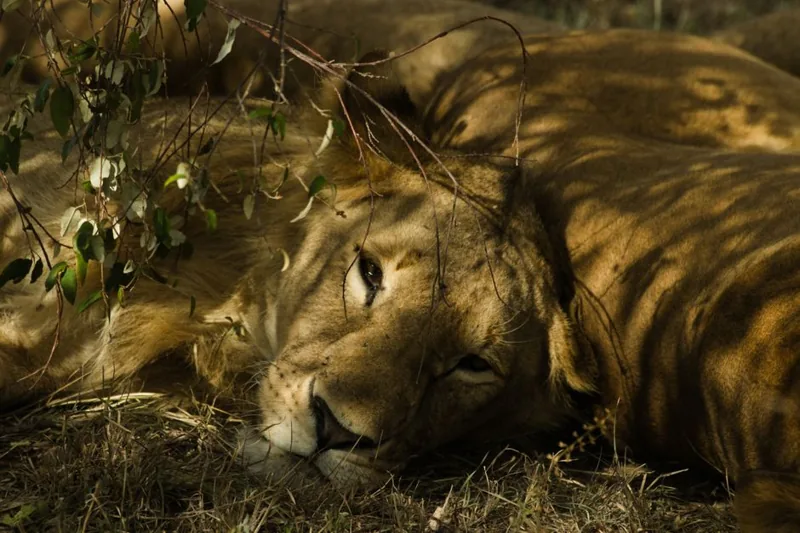
Notice how the jump between tiers is mostly about comfort and exclusivity rather than animals. A self-drive guest and a luxury guest often watch the same lions; they just sleep and eat differently afterward.
Where You Safari Changes the Price
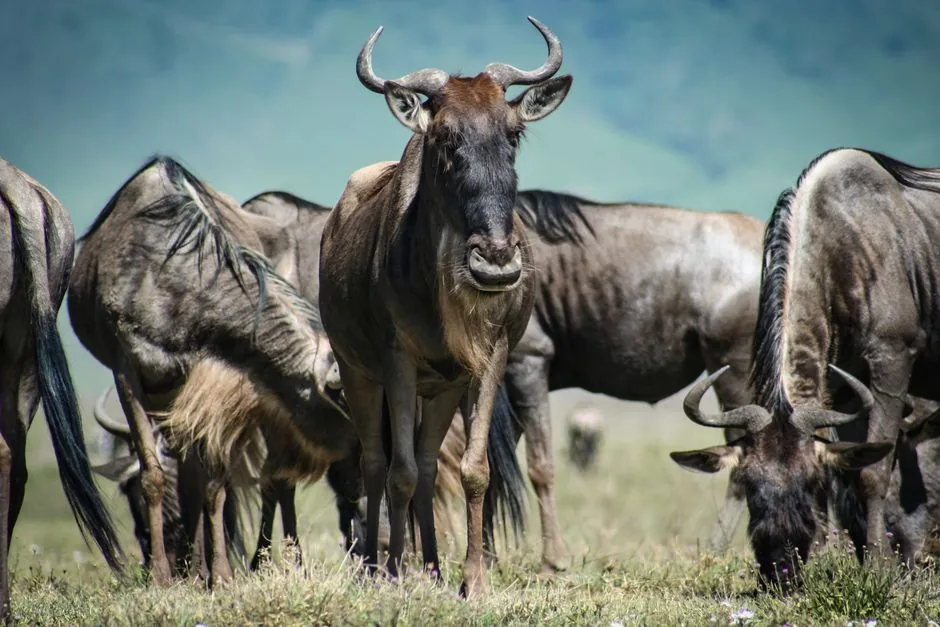
Geography is the biggest hidden variable in any safari quote. Tanzania’s northern parks are famous and, as a result, expensive, partly because park fees alone can exceed $80 per adult per day. Kenya offers strong competition on the Masai Mara, with a wider spread of mid-range camps that keeps average prices a touch lower.
On the other hand, South Africa is the budget and flexibility champion of the region. Kruger National Park welcomes self-drivers, has a deep inventory of rest camps, and sits near a major airport, which trims both logistics and cost. Namibia is slightly more spread out, so you pay more in fuel and time, although lodging itself stays reasonable.
Botswana and Zambia lean toward the high end, often with fly-in camps and water-based safaris that add a boat and a small plane to your tab. Therefore, if the total dollar figure is your top constraint, anchor your plan in South Africa or Kenya first.
Hidden Costs Most First-Timers Forget
The advertised per-night rate is rarely the whole story. Several smaller charges catch travelers off guard, and they add up quickly.
Park and conservation fees are often quoted separately from lodging. Depending on the park, these can run $40 to $100 or more per adult per day. Tips for guides, trackers, and camp staff typically land between $10 and $25 per person per day in total, and they are expected rather than optional.
Transfers are another silent cost. Domestic charter flights between camps can cost $200 to $500 per leg, which is why fly-in safaris look cheap on a nightly basis but expensive once you add the aircraft. A nearly $50 to $150 per person for a single entry visa is still cheaper than a missed connection, so check fees before you book any internal flight.
Vaccinations and medications, including a small survival-style kit, are a final line item that rarely appears in a package price — review the CDC’s travel health guidance before you go.
How to Lower Your Safari Budget
You do not need to skip a safari to spend less; you just need to change where and how you travel.
Travel in the shoulder or green season. Camps regularly discount their rates by 20 to 40 percent outside peak months, and the landscape is lush with newborn animals. However, verify which camps and roads stay open, especially if rain is a concern.
Share the vehicle. A private vehicle is wonderful, but a shared game drive with four to six other guests spreads the guide and fuel fees across more people. Extend a self-drive leg in South Africa or Namibia, where fuel, food, and campgrounds keep daily costs manageable.
Book through a local operator rather than a reseller. Local companies often undercut international agencies for the same camps because they buy direct. In addition, skip the single-night camp hops; staying three nights in one camp usually earns a “stay longer” rate.
For more ideas on picking a park that fits your budget, read our guide to the best safari trip destinations.
Six Questions to Ask Before Booking
Before you hand over a deposit, run through a short checklist with your operator.
First, ask whether park fees and conservation levies are included or billed separately. Second, confirm the exact vehicle type and whether it is shared or private. Third, clarify the tipping policy so you can budget it. Fourth, ask about internal flight costs and luggage limits if the itinerary is fly-in.
Then, press on seasonality: what months give the best value for the wildlife you want to see? Finally, confirm the cancellation and flexibility terms, because safari deposits are often large and non-refundable. Answering these questions in writing protects you from surprises that inflate how much does a safari trip cost in the end.
How Much Does a Safari Trip Cost? FAQ
How much does a safari trip cost for a family of four?
A mid-range family safari typically runs $300 to $500 per person per day because children’s rates, shared vehicles, and family tents reduce the per-head price. Budget $1,200 to $2,000 per day for the whole family at a comfortable lodge.
Are there any hidden fees on a safari?
Yes. Park entry fees, conservation levies, tips, internal charter flights, and drinks outside meal plans are all commonly extra. Always ask for a fully itemized quote before paying a deposit.
What is the cheapest country for an African safari?
South Africa is usually the cheapest for self-drive safaris thanks to Kruger’s affordable rest camps, while Namibia offers low-cost camping and road-based touring. Both let you trim logistics that inflate the price elsewhere.
Is a luxury safari worth the money?
For most people, the wildlife is the same across tiers, so luxury mostly buys comfort, exclusivity, and convenience rather than more animals. If the total cost matters, mid-range keeps the experience without the premium.
How Much Does a Safari Trip Cost? The Bottom Line
A great safari does not have to be the most expensive trip you ever take. Set your daily budget tier first, pick a destination to match, and keep the hidden fees in view rather than in the fine print. For a comfortable first safari, plan roughly $400 to $700 per person per day, and adjust up or down from there.
Estimate your total, then compare coverage with our adventure travel insurance comparison before you book. A safari is a once-in-a-lifetime purchase, and the best way to enjoy it is knowing the complete price up front.