Best Hiking Trips in Europe: 9 Trails Worth the Trek
The best hiking trips in Europe span glacier-carved valleys in Iceland, limestone spires in the Dolomites, and subtropical levada channels on Madeira. Europe packs more world-class trekking into one small continent than almost anywhere else, with well-marked trails, mountain huts, and a rail network that drops you at the trailhead. In this guide I will rank nine unforgettable routes by scenery, difficulty, and season, then tell you what each one really costs.
The appeal is practical as well as scenic. Most of these hikes are multi-day but route-through villages and huts, so you hike with a light pack and sleep somewhere warm. That makes the best hiking trips in Europe achievable for strong intermediate walkers, not just expedition veterans.
No matter which trail you pick, a little planning goes a long way. Below you will find distances, elevation, difficulty, the ideal window to go, and honest daily budgets for each route.
Why Europe Is the Continent for Hiking
Europe’s advantage is infrastructure. A network of long-distance footpaths, refuges, and cable cars means you can tackle a serious mountain stage route without carrying a tent. For example, the Tour du Mont Blanc has huts every few kilometers, so your heaviest decision of the day is which valley the weather favors.
Language and access help too. Trailheads are reachable by train or bus from major cities, which keeps transfers cheap. That convenience matters when a missed connection would otherwise eat a hiking day.
Finally, the seasonality is forgiving. Different ranges peak at different times, so there is almost always a corner of Europe in perfect walking conditions, from spring levada walks to mid-summer alpine crossings.
The Best Hiking Trips in Europe by Region
The table below organizes nine classics so you can scan for your fitness level and budget at a glance. Costs are per person per day, covering hut or guesthouse beds and food, not flights.
| Trail | Country | Distance | Difficulty | Best season | Daily cost (approx.) |
|---|---|---|---|---|---|
| Tour du Mont Blanc | France/Italy/Switzerland | 170 km | Strenuous | Jul–Sep | €80–€140 |
| Laugavegur Trail | Iceland | 55 km | Moderate | Jul–Aug | €110–€180 |
| Alta Via 1 | Italy (Dolomites) | 120 km | Moderate | Jun–Sep | €70–€120 |
| West Highland Way | Scotland | 154 km | Moderate | May–Sep | €50–€90 |
| Slovenia’s Julian Alps | Slovenia | 40 km (stages) | Moderate | Jul–Sep | €55–€85 |
| Madeira Levada Walks | Portugal | 5–25 km (day hikes) | Easy | Year-round | €40–€70 |
| Laugavegur + Fimmvörðuháls | Iceland | 80 km | Strenuous | Jul–Aug | €120–€190 |
Iceland and Switzerland are the pricey outliers, while Slovenia and Madeira offer some of the best value in European trekking.
Tour du Mont Blanc: The Continent’s Classic
The Tour du Mont Blanc circumnavigates Western Europe’s highest peak through France, Italy, and Switzerland in about ten days. Every day closes with a view of glaciers and granite, and every night ends in a hut or alpine village. It is strenuous because of the cumulative elevation gain, not technical difficulty.
Most hikers complete it in 7 to 11 days. Distances of 15 to 20 kilometers a day are typical, with 800 to 1,200 meters of climbing. Book huts months ahead for July and August, when demand peaks.
The payoff is consistent. For many people, the Tour du Mont Blanc remains the single best introduction to multi-day alpine hiking in Europe.
Laugavegur Trail, Iceland: Fire and Ice Underfoot
Iceland’s Laugavegur Trail runs 55 kilometers from Landmannalaugar’s rainbow mountains to the birch forests of Þórsmörk (Thórsmörk in English spelling). The landscape shifts from geothermal steam vents and obsidian fields to moss-covered valleys, so no two hours look the same.
The season is short, from roughly late June through early September. Because the weather can turn fast, hikers must carry full waterproofs and prepare for river crossings. Mountain huts sell out months in advance, which is why many trekkers carry a tent and camp at designated sites.
Check the official Visit Iceland pages for current hut availability and trail conditions before locking in dates. Conditions there change each season, and local guidance is the most reliable.
The Alta Via 1: Dolomites Spires and Rifugi
Northern Italy’s Alta Via 1 strings together the Dolomites’ famous limestone towers over about 120 kilometers. The route stays at moderate altitude, so it opens earlier in summer and suits hikers who want big scenery without glacier travel.
What makes it special is the rifugi system. Cozy mountain huts serve three-course dinners and hot showers, which turns a demanding trek into something close to a moving feast. Because of this, many hikers describe it as the most comfortable of the big European routes.
Daily costs stay reasonable, around €70 to €120 including half-board, which is why the Dolomites rank high among the best hiking trips in europe for value.
The West Highland Way: Scotland’s Original Long-Distance Path
Scotland’s West Highland Way stretches 154 kilometers from Milngavie, just outside Glasgow, to Fort William beneath Ben Nevis. It is one of the world’s most accessible long-distance trails, reachable by train and walkable in 7 to 8 days.
The terrain is gentler than the Alps, but the weather is the wildcard. Rain and wind are common even in summer, so a proper shell and warm layers are essential. In exchange, you get loch-side paths, the drama of Glencoe, and a final ramp up the Devil’s Staircase.
Accommodation ranges from wild camping (free under Scotland’s right-to-roam rules) to bunkhouses and B&Bs, making this one of the cheapest big hikes in Europe.
Slovenia’s Julian Alps: Big Peaks, Small Prices
For scenery of near-Alpine quality at half the cost, head to Slovenia’s Julian Alps. Day hikes and hut-to-hut stages around Lake Bohinj and Mount Triglav deliver limestone walls, turquoise rivers, and quiet trails free of the Mont Blanc crowds.
The country is compact, so you can base yourself in Bled or Bohinj and do a series of day walks without heavy logistics. That flexibility makes it ideal for a first European hiking trip. Triglav itself is a serious, exposed summit, so save it for experienced parties with a head for heights.
Madeira’s Levadas: Walking in a Floating Garden
Madeira’s levada trails follow little irrigation channels that weave through laurel forests along cliff faces. The walking is gentle and lush, and because the island stays mild year-round, this is a winter hiking destination when the Alps are snowbound.
The famous PR1 hike from Pico do Areeiro to Pico Ruivo lets you walk above the clouds along knife-edge ridges, often within a day. For a place to rest between routes, browse booking.com for guesthouses in Funchal or Santana.
Most levada walks are day hikes, which keeps costs low and lets you mix walking with the island’s food and wine.
What to Pack and How to Prepare
The right gear quietly determines whether a trip feels like an adventure or an ordeal. Broken-in boots are non-negotiable, as blisters end more European hikes than bad weather does. A waterproof shell, warm mid-layer, and a headlamp belong in every pack, even on day hikes.
For multi-day routes, pack as light as the hut system allows. If you are buying new kit, our guide to mountain climbing gear cost explains where to spend and where to save. For a fully arranged experience instead, see our look at adventure travel packages all inclusive. Both help you move from daydream to departure faster.
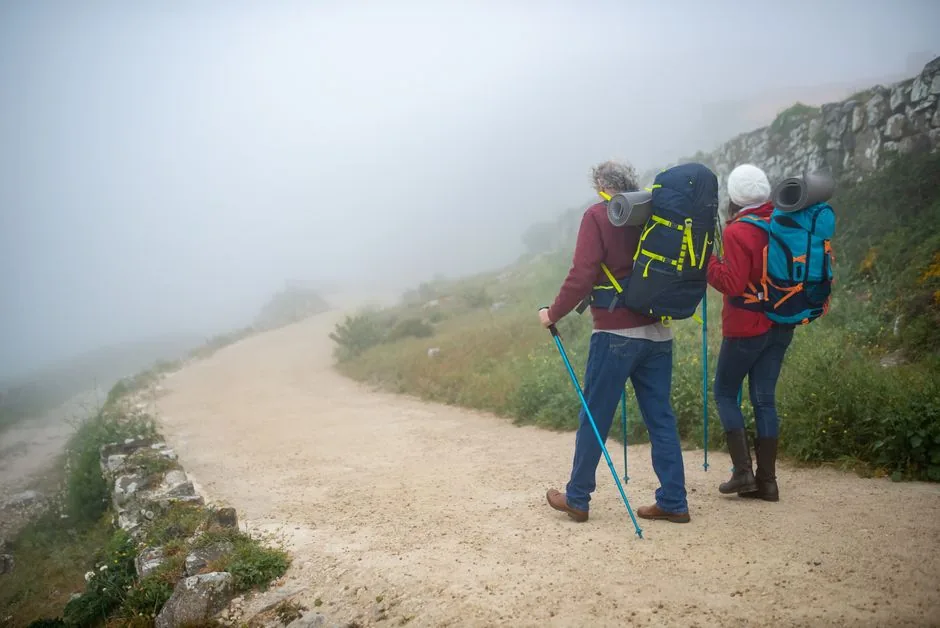
Finally, book refuges and popular huts well ahead for July and August, and always carry a paper map or downloaded offline track.
When to Go: The Best Months for Each Trail
Timing changes everything, and the ideal window is narrower than most first-timers expect. Alpine routes like the Tour du Mont Blanc and the Alta Via 1 open once the snow clears in mid-to-late June and stay walkable through September. High summer delivers the most reliable weather but also the biggest crowds and the stiffest competition for hut beds.
Iceland’s Laugavegur runs on an even shorter clock, from late June through early September, and the weather can bite at any point in that window. Shoulder seasons reward you with solitude, though you accept the risk of snow patches or a river crossing running high.
Scotland’s West Highland Way tolerates a wider band, from May through September, because the altitudes stay low even when the rain does not. Madeira is the wildcard, with levada walking comfortable year-round, which makes it the escape hatch when the northern mountains are buried.
As a rule, book the big alpine and Nordic routes for July and August, and lean on southern or island destinations for spring and autumn trips.
Guided vs Self-Guided: Which Suits You?
Both approaches have merit, and the right choice depends on your navigation confidence and appetite for planning. Self-guided hiking is cheaper and more flexible; you carry the map, book your own huts, and set your own pace. It suits independent walkers who enjoy the logistics as part of the trip.
Guided trips, in contrast, bundle route-finding, baggage transfer, and overnight stays into one price. That convenience costs more, often 30% to 50% above a self-guided itinerary, but it removes most of the mental load and adds a safety net if a day goes sideways.
Many trails support a middle path: self-guided walking with a baggage transfer service, so your pack rides ahead while you hike light. For a first big route such as the Tour du Mont Blanc, this hybrid strikes the best balance of freedom and comfort.
FAQ
What is the best hiking trip in Europe for beginners?
Slovenia’s Julian Alps and Madeira’s levadas are the friendliest starting points. They offer short, well-marked stages with lodge accommodation and gentle elevation gains.
Which European country is best for hiking?
It depends on taste. France, Italy, and Switzerland lead for alpine hut-to-hut routes, while Iceland is unmatched for otherworldly landscapes and Scotland for accessible long-distance paths.
How much does a hiking trip in Europe cost?
Budget €50 to €90 per person per day in Slovenia, Portugal, and Scotland, and €80 to €180 in Switzerland and Iceland. Hut half-board and transport are the main daily costs.
Do I need to book huts in advance?
Yes, for popular routes like the Tour du Mont Blanc and Laugavegur in high summer. Huts can sell out four to six months ahead.
Conclusion
The best hiking trips in Europe reward you with landscapes no car window or cable car can reach. Whether you cross three borders on the Tour du Mont Blanc or trace a levada through a Madeira cloud forest, the route is the destination. Pick a trail that matches your legs and your budget, book the huts early, and start walking.