Adventure Travel Insurance Comparison for 2026
An honest adventure travel insurance comparison starts with an uncomfortable truth: your regular travel policy often excludes the very activities you booked the trip to do. Trekking above a certain altitude, scuba diving, mountain biking, and most white-water sports are routinely denied by standard coverage, and discovering that inside an emergency room is the worst possible time to find out.
This guide explains what adventure coverage actually is, compares the leading providers and what they add, and shows you how to read a policy so you are protected before you leave. By the end, you will know exactly which add-ons matter for your trip and which you can skip.
Why Standard Travel Insurance Falls Short
Most off-the-shelf travel policies are built for beach holidays and city breaks. They cover flight cancellations, lost luggage, and minor medical care, but their fine print excludes anything classified as a hazardous or high-risk activity. That classification quietly covers a surprising range of pursuits, from horse riding to trekking above a set altitude.
As a result, an adventure traveler can pay for a policy that provides essentially no protection for the main event of the trip. The remedy is either a specialist adventure policy or a standard policy with an adventure sports add-on, and knowing which you need is the whole point of a comparison.
What Adventure Cover Should Include
A strong adventure policy does more than name your sport. Look for emergency medical and evacuation coverage first, because a helicopter rescue in a remote mountain region can cost tens of thousands of dollars and is the single most important line item.
Next, confirm the policy covers your specific activities at a named level. Some policies cover scuba diving only to 18 or 30 meters, and trekking only below 4,000 or 6,000 meters, so match the numbers to your itinerary. Finally, check coverage for gear, trip cancellation, and lost or damaged equipment, since adventure travelers carry more valuable kit than average.
Top Providers Compared
World Nomads
World Nomads remains the default recommendation for adventure travelers, and largely for good reason. Its policies are designed around active trips and can be extended mid-journey, which suits long-term and spontaneous travelers. However, premiums run higher than budget providers, and coverage limits for specific sports still require careful reading.
SafetyWing Nomad Insurance

SafetyWing Nomad Insurance is a favorite of digital nomads and long-haul travelers for its subscription model and global reach. Medical coverage is solid for the price, although adventure sports coverage is more limited than a true specialist policy. Treat SafetyWing as a strong base layer and add sport-specific cover when your trip is built around a risky activity.
The Specialist Adventure Insurers
Several niche insurers, including those sold through outfitters and mountaineering bodies, offer the deepest adventure cover. These policies typically list the exact activities, altitudes, and depths covered, and they are the safest choice for technical climbing, high-altitude trekking, and advanced diving. The trade-off is complexity and sometimes a higher price, but the clarity is usually worth it.
How to Read an Adventure Policy Like a Pro
Reading the fine print is the difference between covered and stranded. Start with the “excluded activities” section, not the marketing page, because that is where most disappointment lives. Check whether your sport is covered, at what altitude or depth, and whether you need a licensed guide for coverage to apply.
Then confirm the medical and evacuation limits in real dollar figures, and note whether pre-existing conditions are covered as standard or require a rider. Finally, review the claims process and documentation rules, since a rejected claim often comes down to missing paperwork rather than missing coverage.
Adventure Travel Insurance Comparison Table
The table below summarizes how the main options compare for a typical adventure traveler. Figures are approximate 2026 starting prices for a two-week trip, and your own quote will vary by age, destination, and activities.
| Provider | Best for | Adventure add-on | Evacuation | Approx. 2-week price |
|---|---|---|---|---|
| World Nomads | Active generalists | Yes, broad | High | $80–$150 |
| SafetyWing | Long-term nomads | Limited | Mid | $45–$90 |
| Specialist insurer | Technical activities | Comprehensive | Very high | $120–$250+ |
| Standard + add-on | Occasional adventurers | Varies | Mid-high | $60–$140 |
Notice that the cheapest option is rarely the best value. A $45 policy that excludes your trekking is more expensive in practice than a $120 policy that covers it fully, because the moment you need help, the cheap option pays nothing.
What Adventure Insurance Actually Costs

Adventure insurance pricing is driven by three inputs: your age, your destination, and the risk level of your activities. A young traveler on a week-long, low-altitude trek usually pays less than $80, while a multi-sport trip combining high-altitude trekking and scuba can push past $200.
Duration and region add still more. The United States is expensive for medical cover regardless of activity, and remote destinations raise evacuation premiums. However, adventure coverage is a small fraction of the total trip cost, and it is the one line item that can save you from financial ruin if something goes wrong.
For trips built around dangerous sports, do not rely on guesswork. Compare the exact activity list against your itinerary, and read our guide to ski trip insurance if you are heading to the slopes, since winter sports carry their own specific exclusions.
Adventure Insurance by Activity
The exact cover you need depends on the sports on your itinerary, and this is where most comparison-shopping goes wrong. Start by listing every activity you intend to do, then check each one against the policy’s named activity schedule rather than assuming it is included.
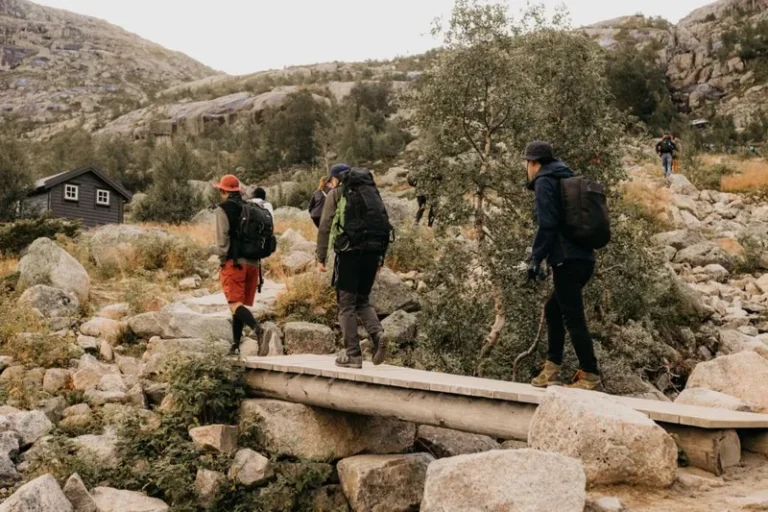
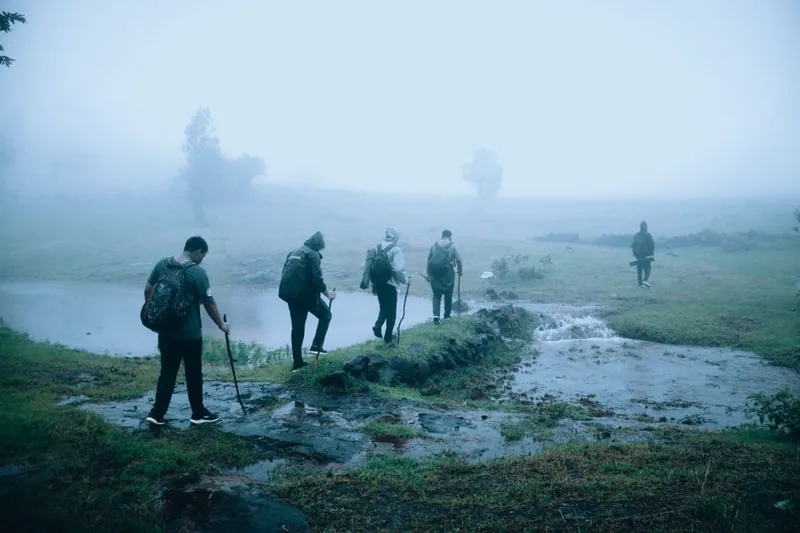
For trekking and mountaineering, altitude is the key variable. Many policies cover hiking only below 3,000 meters, while treks in Nepal, Peru, or the Andes routinely cross 4,000 or 5,000 meters and need a specific high-altitude extension. Read the altitude cap before you book, because a single number can mean the difference between full cover and none.
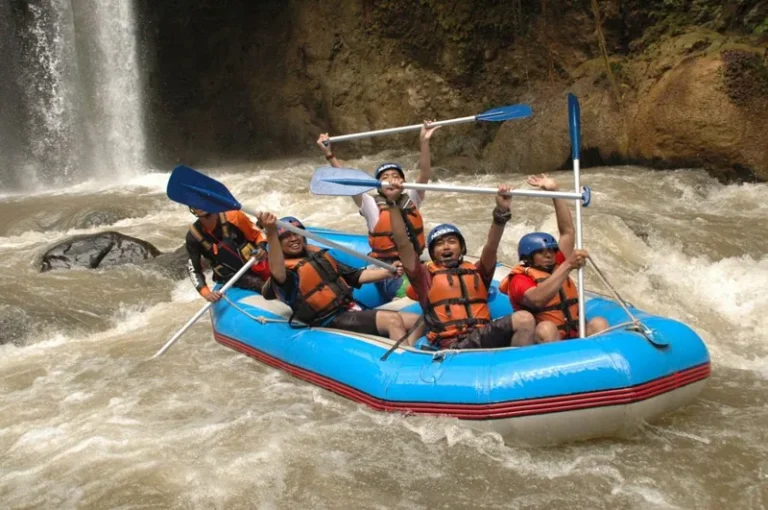
Winter sports carry their own exclusions, so confirm off-piste and backcountry cover separately if you are skiing or snowboarding. Scuba divers need to check the depth and certification line, usually 30 or 40 meters, and some policies also require a dive buddy or professional guide. For kayaking and white-water rafting, the river grade matters more than the sport itself, with higher grades classified as hazardous either way.
One practical point: get quotes for the same itinerary from at least three providers before deciding. Prices for identical coverage vary widely by age, destination, and sport mix, and a like-for-like comparison is the only way to spot a genuine bargain versus a policy that simply covers less. Keep your policy schedule saved offline, because you rarely have a signal exactly when you need it.
Adventure Travel Insurance Comparison: FAQ
Does normal travel insurance cover adventure activities?
Usually not. Standard policies often exclude “hazardous” activities like high-altitude trekking, scuba diving, and white-water sports. You typically need an adventure sports add-on or a specialist adventure policy for real coverage as part of any adventure travel insurance comparison.
What is the most important adventure insurance coverage?
Emergency medical and evacuation coverage is the most important, because a remote rescue or hospital transfer can cost tens of thousands of dollars. Verify the evacuation limit in real figures before you book.
How much does adventure travel insurance cost?
A two-week adventure policy typically costs between $60 and $250, depending on your age, destination, and the risk level of your activities. High-altitude and technical sports push the price toward the top of that range.
Should I buy insurance from my tour operator?
Operator-sold insurance is convenient but often more expensive and less flexible than buying direct. Compare the activity coverage and limits against an independent provider before committing.
Protect Your Adventure Before You Leave
The right policy is the one that names your exact activities, covers evacuation generously, and fits your destination’s medical costs. Do not let the cheapest quote or the friendliest website decide for you; let the fine print decide.
Run your own adventure travel insurance comparison against your itinerary, then book the coverage at the same time as your flights and deposits. That way, the adventurous parts stay fun, and the protection is in place long before you need it.