The Best Adventure Travel Companies in 2026
The best adventure travel companies all promise the same thing: a trip you could never assemble on your own. What separates them is how they get you there, how much they charge, and who else sits in the van with you. Pick the wrong operator and a dream trek becomes a frustrating group tour; pick the right one and logistics disappear.
This guide compares the leading operators across hiking, cycling, small-group expeditions, and multi-sport trips. We break down what each does best, who each suits, and what their prices realistically run, so you can choose with confidence rather than by brand recognition alone.
What Defines a Great Adventure Operator
A top adventure company earns its fee through three things: expert guides, tight logistics, and honest group dynamics.
Guides are the product. On a trek or a river trip, the guide’s judgment, first-aid training, and local knowledge are what keep you safe and informed. Logistics come next, because permits, transport, and backcountry meals are tedious to arrange from abroad and easy to break. Group size and pace define the vibe, so ask whether a trip is capped at eight, twelve, or twenty people before you pay.
Finally, transparent pricing separates the good operators from the great ones, since the cheapest sticker price often hides gear rentals, park fees, and single supplements.
The Leading Operators Compared
Intrepid Travel
Intrepid Travel runs small-group tours across every continent, with a strong focus on local leaders and low-impact travel. Its adventure range covers trekking, cycling, and active family trips, and its groups typically cap around twelve people. Because trips are locally led, you get on-the-ground insight rather than a hired escort reading from a script.
Prices sit in the mid-range, and the brand is dependable rather than flashy. It is an excellent first adventure operator for travelers who want a safety net and a social group without paying for luxury.
G Adventures
G Adventures is Intrepid’s closest rival and shares its small-group, local-guide philosophy. Its “Active” collection includes multi-day hikes, cycling tours, and even sailing trips, often aimed at a slightly younger crowd. The operator is known for strong value and a huge catalog of departure dates.
The main difference is tone: G Adventures skews more energetic and budget-conscious, while Intrepid can feel a touch more structured. For a first multi-day trek, either brand is a safe, well-priced choice.
Exodus Adventure Travels
Exodus Adventure Travels specializes in self-guided and guided walking, cycling, and polar trips, and it appeals to active travelers who want activity depth over sightseeing. Its trips often feature graded walking levels and support vehicles, so you know exactly how hard each day will be before you book.
Because Exodus leans toward seasoned travelers, its trips can run smaller and slightly more expensive than the mass-market group operators. It is the better pick when the hiking or cycling is the point, not an add-on.
Backroads
Backroads built its reputation on premium cycling and family adventures across North America and Europe. The company is known for exceptional support, with multiple guides, a support van, and hand-picked routes. Its trips trend toward the high end, and private or family departures are common.
Therefore, Backroads suits travelers who want a loyal, well-supported experience and are willing to pay for comfort. It is less about cutting corners and more about making every logistics detail disappear.
How to Choose the Right Operator for You
The right company depends on three personal factors: activity, budget, and crowd. Start with the activity. If you want a single activity done deeply, pick a specialist like Exodus for hiking or Backroads for cycling. If you want variety, a generalist like Intrepid or G Adventures gives you more flexibility.
Next, match the group size to your comfort. Solo travelers and social types often thrive in twelve-person groups, while couples and privacy-seekers should look for smaller or private options, even at a higher daily rate. Finally, read the included and excluded lists side by side, because operators present pricing differently.
The table below summarizes the practical differences so you can shortlist quickly.
| Operator | Best for | Group size | Price tier | Signature strength |
|---|---|---|---|---|
| Intrepid Travel | First-timers | ~12 | Mid | Local leaders, global reach |
| G Adventures | Budget + energy | ~12–16 | Low-mid | Huge departure dates |
| Exodus Adventure Travels | Deep trekking/cycling | Small | Mid-high | Graded activity levels |
| Backroads | Premium cycling/family | Small/private | High | White-glove support |
What Adventure Trips Really Cost
Adventure tour pricing is easier to compare than most people think. A week-long guided trek with G Adventures or Intrepid often runs $1,000 to $2,500 per person excluding flights, while Exodus and Backroads trips start higher because they bundle more support and smaller groups.
However, the sticker price is not the total cost. Add international flights, a single supplement if you travel solo, gear rentals, tips, and travel insurance. These extras frequently add 30 to 50 percent on top of the advertised rate, so budget for them from day one.
A good rule of thumb: the more remote the destination and the more specialist the activity, the more a reputable operator is worth. Read our guide to the best safari trip destinations if Africa is on your list, since safari operators follow the same logic.
Red Flags to Watch For
Not every operator deserves your money, so run a quick background check. Avoid any company that is vague about group size, guide qualifications, or what gear is included. Ask for the operator’s emergency and evacuation procedures, and confirm whether guides hold recognized first-aid or mountain qualifications.
Check reviews across more than one platform, and search for complaints about cancellations or hidden fees rather than just reading the star ratings. A legitimate operator will also carry proper liability insurance and be able to explain their cancellation terms in plain language.
Questions to Ask Before You Book
A short conversation with an operator before you pay separates a smooth trip from a stressful one. Ask exactly what the price includes, because gear hire, park and permit fees, single supplements, and airport transfers frequently sit outside the headline rate. Request the trip’s group-size cap in writing, then ask how many people have already signed up, since a nearly empty departure can be canceled or merged at short notice.
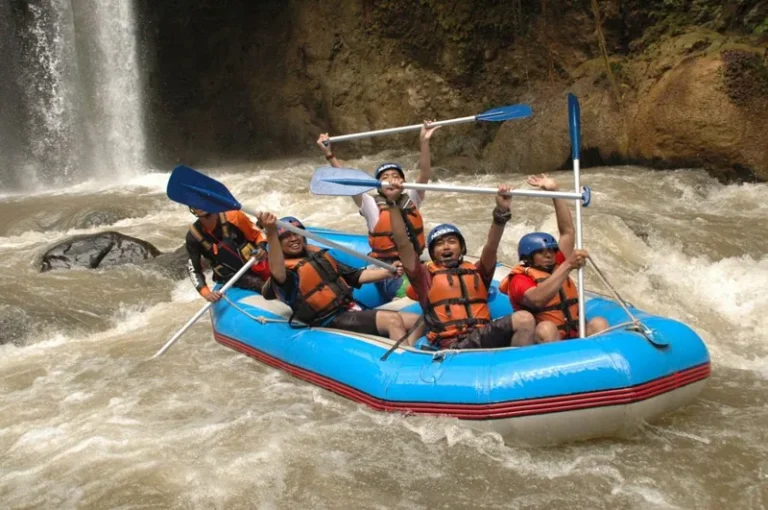
Confirm the guide-to-traveler ratio and your guides’ qualifications, especially for technical activities such as high-altitude trekking or white-water rafting, where experience genuinely matters. Ask about the cancellation terms and whether the company offers any flexibility or credit if plans change, rather than a hard non-refundable deposit.
Finally, check reviews beyond the operator’s own website, and look specifically for how the company handled bad weather, illness, and itinerary changes. A great operator reveals itself not on the easy trips but in how it responds when something goes wrong. Once you have the answers, compare coverage through our adventure travel insurance comparison and lock in the deposit with confidence.
Best Adventure Travel Companies: FAQ
What is the best adventure travel company for beginners?
Intrepid Travel and G Adventures are the two best starting points because they offer small groups, local guides, and clear pricing across a huge range of destinations. Both make the logistics easy while keeping costs reasonable.
Are adventure travel companies worth the extra cost?
For remote or technical trips, yes. A reputable operator handles permits, transport, safety, and local knowledge that are difficult and risky to arrange alone, and the best companies genuinely earn their margin on logistics and guides.
How much should I budget for a guided adventure trip?
A one-week guided trek or multisport trip typically costs $1,000 to $2,500 per person before flights, with premium operators running higher. Add roughly 30 to 50 percent on top for flights, supplements, gear, and insurance.
Which adventure company is best for cycling trips?
Backroads is the standout for supported cycling with multiple guides and hand-picked routes, while Exodus offers strong value for walking and cycling trips with clearly graded difficulty levels.
Choose Your Adventure Operator With Confidence
The best adventure travel companies differ more in style than in safety, so the winning move is to match the operator to your activity and travel personality rather than chasing the biggest brand. Settle your activity first, then your budget, then your preferred group size.
Once you have a shortlist, protect the deposit with solid coverage. Start by comparing options through our adventure travel insurance comparison, and estimate total costs so there are no surprises at checkout. The right operator turns a big ambition into a week you will talk about for years.