
Adventure Travel Packages All Inclusive: The Complete 2026 Guide
Adventure travel packages all inclusive bundle your flights, ground transport, lodging, meals, and guided activities into a single upfront price. You pay once, then you show up. Gone is the scramble to book a flight, then a hotel, then a separate rafting outfitter, trekking guide, or dive operator.
This guide breaks down what these packages actually cover, how much they cost in 2026, and how to tell a genuinely good deal from a clever upsell. You will learn which destinations offer the best value, what is almost never included, and whether you still need separate travel insurance.
If you want the adrenaline of a real expedition without spending three weekends stitching a dozen bookings together, all-inclusive format is worth a close look. Let’s start with what the term really means — because it means different things at a backcountry lodge than it does at a beach resort.
What “All Inclusive” Actually Means on an Adventure Trip
An all-inclusive adventure package is not the same thing as an all-inclusive beach resort. At a resort, the promise is simple: a buffet, a bar, and a pool. On an adventure trip, the operator is bundling logistics that would otherwise be genuinely hard to arrange on your own.
For example, a week of white-water rafting on the Middle Fork of the Salmon River in Idaho cannot be booked as three separate reservations. You need a licensed outfitter, a permit, a guide team, bear-safe food storage, and shuttle logistics. A package is the only practical way to do it.
Therefore, the value of an all-inclusive trip scales with how remote the destination is. The harder the trip is to plan independently, the more sense the package makes. On the other hand, for a city break with a day hike, you may pay a premium for convenience you do not really need.
Group size is the other hidden variable. A package can be a fixed-date shared departure with twelve strangers, or a private trip built around your own dates and pace. Shared departures are cheaper because costs split across more guests. Private trips cost more but give you control over the itinerary and the ability to skip activities you do not care about. Most first-time adventure travelers land somewhere in between: a small-group departure capped at eight to ten people, which keeps the price accessible without turning the trip into a tour bus.
What’s Included in the Price (and What Usually Isn’t)
Most reputable adventure travel packages all inclusive cover the same core items. Knowing the boundaries up front prevents surprises at checkout.
What is typically included:
- Round-trip flights or airport transfers (or both)
- Lodging in lodges, eco-camps, mountain huts, or small hotels
- Most or all meals, plus drinking water and trail snacks
- Guided activities with licensed, certified guides
- Equipment and gear, from rafts to trekking poles and dive tanks
- Park entry fees, permits, and local taxes
What is almost never included:
- International flights to the gateway city on many “land-only” deals
- Alcohol and premium drinks
- Gratuities for guides and drivers
- Personal gear like hiking boots, sleeping bags, and rain jackets
- Emergency evacuation or travel insurance
In addition, some operators list activities as “available” rather than covered. A listing that says “optional canyoning from $120” means the price of your package did not include it. Always read the fine print on activity lists before you commit.
Top Adventure Travel Packages All Inclusive for 2026
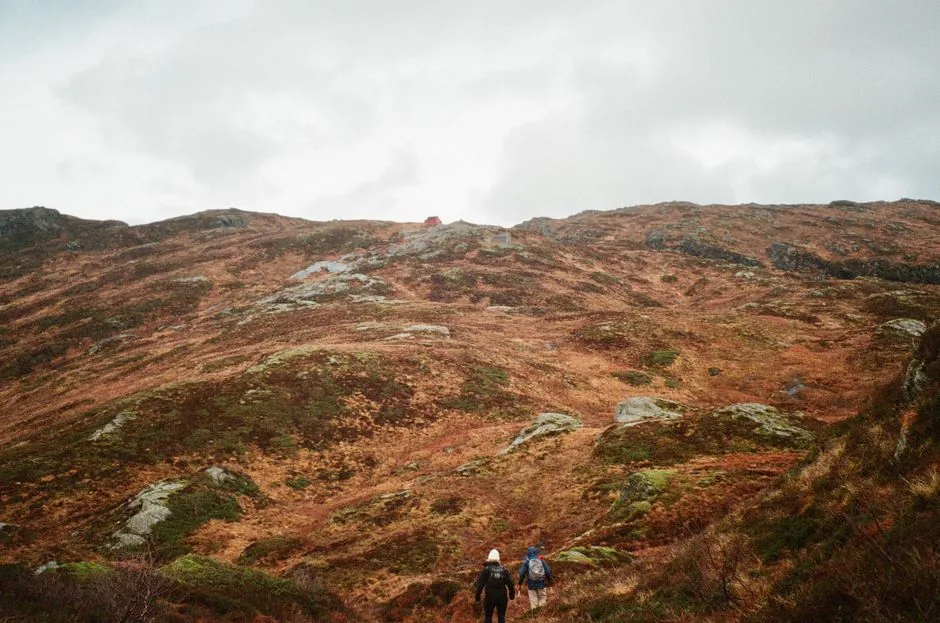
These are the destinations consistently delivering strong all-inclusive value in 2026. Prices reflect a mid-range package for one week, unless stated otherwise.
Costa Rica: Rainforest and Whitewater
Costa Rica packs rafting, zip-lining, volcano hikes, and wildlife watching into a small, easy country. Most week-long packages group three or four activities with lodge stays and local transport. Start your research with the official Costa Rica tourism board to understand seasons and protected areas before you book.
Iceland: Glacier Hikes and the Ring Road
Iceland remains expensive to visit independently, which makes all-inclusive pricing more attractive than it sounds. Packages usually fold in guided glacier walks, ice-cave tours, and hot-spring entries. Check the Visit Iceland site for official guidance on weather and road closures.
Nepal: Trekking the Annapurnas
Guided treks with porters, teahouse lodging, permits, and most meals are the classic all-inclusive format. Nepal offers some of the best per-day value in adventure travel, though you must budget a realistic buffer for your own gear and tips.
Galápagos: Expedition Cruising
A Galápagos small-ship cruise is the purest all-inclusive adventure you can buy, but it is also the most expensive on this list. Park permits, licensed naturalist guides, meals, and snorkeling gear are all wrapped into the fare.
How Much Do All-Inclusive Adventure Packages Cost?

Costs in 2026 vary more by destination and trip style than by operator quality. The figures below are realistic per-person ranges for a seven-day itinerary.
| Tier | Typical cost (per person) | What you get | Example destinations |
|---|---|---|---|
| Budget | $1,800–$2,800 | Hostels or basic lodges, 3 meals daily, 2–3 guided activities, shared transport | Nepal, Vietnam, Colombia |
| Mid-range | $3,500–$5,500 | 3–4-star lodges, all meals, 4–5 activities, domestic flights, dedicated guide | Costa Rica, Morocco, Peru, Iceland |
| Luxury | $7,000–$15,000+ | 5-star lodges or expedition ships, private guide, all meals and drinks, most flights | Galápagos, Patagonia, African safari |
A useful shortcut is to compare the per-day rate. A mid-range package usually lands between $400 and $650 per person per day. Below that, you are almost certainly in backpacker or group-departure territory. Above it, you are paying for smaller groups, private guiding, or a harder-to-reach basecamp.
For a deeper breakdown of how these numbers are built, see our guide to the best adventure travel companies, which compares operators by destination and trip style.
It is also worth asking whether a package actually saves you money versus doing it yourself. On a Nepal trek, the answer is usually yes: permits, shared porters, and teahouse meals are far cheaper through a local operator than booked alone. However, in a destination with strong public transport and cheap lodging, a self-planned trip can undercut an all-inclusive by 20% or more. The savings question always comes down to how much of the package price is logistics you could handle yourself versus services you could not easily replicate. In addition, shoulder-season departures often carry real discounts, so booking in early spring or late autumn can shave hundreds off the same itinerary.
How to Choose the Right All-Inclusive Adventure Package
Start with the trip style, not the price. A $2,000 Nepal trek and a $8,000 Galápagos cruise both deliver value, but they are not interchangeable experiences.
Ask every operator these five questions before you pay a deposit:
- Is this price per person, and does it include international flights?
- What is the maximum group size, and what is the guide-to-guest ratio?
- Are park fees and permits actually covered, or billed separately?
- What happens if weather cancels a headline activity?
- What is the refund and cancellation policy in writing?
However, the single most useful filter is the operator’s safety record and local guides. A certified, locally employed guide team almost always predicts a better trip than a glossy brochure. For more on vetting outfitters, start with the best hiking trips in Europe, where guide certification standards are especially strict.
Timing matters as much as the operator. Book six to nine months out for fixed-date departures in peak season, especially for high-demand routes like the Inca Trail or popular safari circuits. Early bookings not only secure a spot; they often include early-bird pricing or free single-room upgrades. If your dates are flexible, ask the operator which departure windows are undersold. A shoulder-season departure on the same itinerary frequently drops the price by 15–30%, and the trails are quieter as a bonus.
Hidden Fees and Add-Ons to Watch For
The “all-inclusive” label has real limits, and a few add-ons catch first-timers off guard every season.
Single supplements are the most common. Because most packages price per person based on double occupancy, solo travelers often pay 25–50% surcharge for a private room. Therefore, if you travel alone, ask about single-occupancy pricing before comparing packages line by line.
Gear rental is another frequent surprise. Some operators charge separately for wetsuits, crampons, or bikes even though the activity is “included.” Tipping is a smaller but near-universal cost, typically 10–15% of the trip price, split among the guide team.
On the other hand, a few genuinely valuable add-ons are worth paying for: acclimatization days on high-altitude treks, a pre-dawn game drive, or a private transfer that avoids a six-hour group bus ride.
Do You Need Travel Insurance for an All-Inclusive Adventure?
Yes. An all-inclusive package covers the trip itself, but it does not cover you. Standard health policies rarely cover high-altitude trekking, white-water rafting, or scuba diving, which are precisely the activities you are paying to do.
Look for a policy that explicitly covers rescue, evacuation, and trip cancellation, not just medical care. Adventure sports are often a named exclusion, so confirm your specific activities are listed as covered. For a full breakdown of what to compare, read our adventure travel insurance comparison.
Frequently Asked Questions
Are adventure travel packages all inclusive worth the price?
For most travelers, yes — especially on remote or logistically heavy trips. The package removes permit chasing, gear transport, and guide hiring, and it locks in a predictable total cost. The premium over self-planning is usually 10–25%, which many consider fair for the convenience and safety.
What is usually not included in an all-inclusive adventure package?
International flights to the gateway city, alcohol, gratuities, personal gear, and travel insurance are the most common exclusions. Single supplements for solo travelers and premium activity add-ons also appear frequently, so check the fine print on both.
How far in advance should I book an all-inclusive adventure trip?
Six to nine months is the sweet spot for popular routes and peak seasons. Nepal’s autumn trekking season and Galápagos ship berths sell out early. On the other hand, booking far out locks in 2026 pricing before operators adjust rates for demand.
Can families or beginners use all-inclusive adventure packages?
Yes, if you filter for it deliberately. Many operators run family-specific departures with lower minimum ages and gentler itineraries, while “intro” trips assume no prior experience. Confirm the fitness and age requirements before booking, because a “moderate” trek means very different things across operators.
Conclusion
Adventure travel packages all inclusive trade a small convenience fee for a trip where logistics are handled, safety is managed, and the total cost is known before you fly. For remote or highly regulated destinations, the format is often the only sensible way to travel.
Choose your destination first, then compare packages per day rather than per person, and always verify what the price leaves out. When you are ready to plan, check our guides to the best adventure travel companies and safari destinations to start building your shortlist.