Backpacking Travel Insurance Comparison: Best Providers for Long-Term Travel in 2026
A backpacking travel insurance comparison matters because a standard single-trip policy rarely covers months on the road. The cheapest plan can leave you exposed in exactly the moments you need help most, whether it is a stolen passport in Bangkok or a sprained ankle on a trek in Nepal. This guide walks you through the top providers, what they actually cover, and what they quietly exclude.
Most backpackers buy the first plan that pops up in a search. That is a mistake. Two policies with similar monthly prices can differ wildly on medical limits, adventure sports coverage, and whether they pay for cancelled flights. In fact, the differences are often more important than the premium itself.
Below you will find a clear head-to-head table, a breakdown of the features that matter for long trips, and honest guidance on how much to budget. By the end, you will know which backpacking travel insurance fits your route, your activities, and your wallet.
How We Built This Backpacking Travel Insurance Comparison
We judged each provider on four things that backpackers actually care about. First, medical coverage, because a hospital bill abroad is the one expense that can wipe out an entire trip budget. Second, adventure sports, since many basic policies refuse to cover trekking, motorbikes, or scuba diving without an add-on.
Third, we looked at trip length and whether a policy can be extended from the road. Fourth, we checked price against what you get, because cheap cover that never pays is worse than no cover at all.
For a deeper dive into the wider insurance market, read our adventure travel insurance comparison. If your route involves multiple countries, our kayak travel insurance cost guide covers water-based add-ons too.
Top Backpacking Travel Insurance Providers Compared
The table below shows realistic 2026 figures for a healthy adult on a six-month, multi-country trip. Prices vary by age, destination, and add-ons, so treat these as honest ranges rather than quotes.
| Provider | Best for | Medical limit | Adventure sports | Approx. monthly cost |
|---|---|---|---|---|
| World Nomads | Active, high-risk trips | $100,000+ | Broad, incl. trekking | $140–$190 |
| SafetyWing Nomad Insurance | Long-term travellers, digital nomads | $250,000 | Limited without add-on | $60–$90 |
| True Traveller | UK & EU residents | £10 million | Very broad | $90–$130 |
| Genki Explorer | Digital nomads & remote workers | Unlimited | Basic, upgrade available | $50–$80 |
| IMG Patriot Travel | Budget-conscious backpackers | $500,000 | Some, optional upgrade | $80–$120 |
| Allianz OneTrip Prime | Short trips & older travellers | $50,000 | Add-on for adventures | $110–$160 |
| Heymondo Long Stay | European backpackers | $100,000 | Good, incl. many sports | $95–$140 |
On paper, SafetyWing looks like the bargain. However, its base plan excludes many adventure activities, so a trekker might need the add-on. On the other hand, World Nomads costs more but covers the risky stuff up front. Therefore, your verdict should follow your itinerary.
What to Look For in Backpacking Travel Insurance
Medical expenses and evacuation
This is the number that matters most. A simple hospital stay in Thailand can cost a few hundred dollars, but an emergency evacuation from the Andes easily exceeds $50,000. Choose a policy with at least $100,000 in medical cover and no limit on evacuation.
Adventure sports coverage
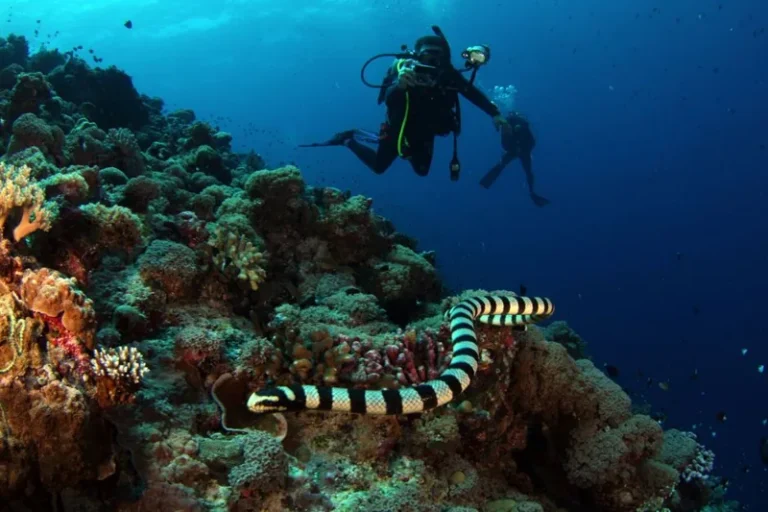
Read the activity list carefully. Many plans cover hiking but not “mountaineering” above a certain altitude. Similarly, scuba diving is often capped at 30 metres, and motorbike riding usually requires a licence and a helmet.
Electronics and valuables
Your phone, laptop, and camera are your lifeline on the road. Check the per-item limit, which is often a low $500. If you travel with expensive gear, look for a policy that lets you raise this cap.
Trip length and extension
Backpacking trips rarely end on schedule. A policy you can extend online from a hostel is worth its weight in gold. For example, True Traveller and SafetyWing both allow extensions, while some annual plans lock you into fixed dates.
Coverage Add-Ons That Matter for Backpackers
Most providers sell optional upgrades. These are worth considering because the base plan often leaves real gaps. Adventure sports is the obvious one, but there are others.
Cancellation cover protects you before you leave. Baggage and valuables cover helps when a bus company loses your pack. Some providers also offer “gadget cover” as a separate bolt-on for a modest fee.
For a sense of what standard plans cost across the board, see our guide on how much is travel insurance. It explains why premiums vary so much between providers.
Common Exclusions to Watch For
Every policy has a page of small print, and that is where the problems hide. Alcohol-related accidents are almost never covered. Pre-existing conditions are excluded unless you declare them and buy a waiver. High-risk activities such as base jumping or free soloing are normally out.
Political unrest and natural disasters can also void cover if you travelled against official advice. Therefore, check your government’s travel advice before booking. The UK Foreign Office travel insurance guidance is a useful, plain-language reference for understanding exclusions.
Riding a motorbike without a valid licence is the most common way backpackers void a claim. Likewise, losing belongings you left unattended in a bar will rarely trigger a payout.
How Much Backpacking Travel Insurance Costs
Budget roughly $60 to $190 per month depending on age, destination, and coverage level. A healthy twenty-something travelling through Southeast Asia might pay $70 a month for solid basic cover. In contrast, someone in their thirties doing high-altitude treks and scuba diving could easily reach $150 a month.
Cost also rises with the USA, Japan, and Canada on the itinerary. These countries have high medical costs, so insurers charge more to cover them. Therefore, add $20 to $40 per month if your route includes North America.
Remember that the cheapest policy is rarely the best value. A plan that declines your one claim for a bad ankle has effectively cost you more than the pricier alternative ever would.
How to Save on Backpacking Travel Insurance
You can cut a monthly premium by twenty to forty percent without giving up the cover that matters. Start by declining bolt-ons you will not use: gadget cover is pointless with an old phone, and cancellation cover matters far less on a trip you have committed to and paid for piecemeal.
Buy the longest continuous policy you can instead of renewing month by month, because a six-month policy is usually cheaper per month than six one-month purchases. Raise the medical excess if you have cash to absorb a minor claim, since a $250 excess meaningfully lowers the premium.
Be honest about your region. Cover that includes the USA can nearly double the price, so if your route is Southeast Asia or South America only, buy a plan priced for it. Add adventure sports only for the weeks you actually trek or dive, since some providers sell per-activity top-ups rather than a full-year upgrade.
Finally, compare at the same coverage level, because a cheap plan with a $25,000 medical limit is not the same product as one with $250,000. Our travel insurance cost comparison guide shows how to normalise the numbers before you pick.
A Sample Six-Month Backpacking Insurance Budget
To see how the pieces add up, here is a realistic budget for a 25-year-old spending six months in Southeast Asia, with two weeks of adventure sports tacked on.
| Item | Cost (6 months) |
|---|---|
| Base medical plan ($250,000 limit) | $420 |
| Adventure sports add-on (2 weeks) | $60 |
| Gadget cover for laptop and camera | $50 |
| Total | $530 |
That works out to about $88 a month, solidly mid-table in the comparison above. Add the USA to the route and the same cover climbs to roughly $800, while an older traveller or one doing high-altitude mountaineering will pass $1,000 for six months.
Treat these figures as planning anchors, not quotes. Get two or three real quotes for your exact age, route, and dates, then match them against the table earlier in this guide. The goal is simple: enough medical cover that one hospital bill cannot end your trip, at a premium that does not end it first.
Frequently Asked Questions
Which backpacking travel insurance is best for adventure sports?
World Nomads and True Traveller consistently rank highest for adventure sports, because their standard plans include trekking, kayaking, and some climbing without a separate upgrade.
Does backpacking travel insurance cover my laptop and phone?
Yes, but only up to a set limit that is often between $500 and $1,000 per item. If you carry expensive gear, look for a policy that offers a gadget or valuables add-on.
Can I extend my policy while I am already travelling?
Many long-stay providers allow it, including SafetyWing and True Traveller. Always confirm before you leave, because some annual policies cannot be extended once the start date has passed.
Are motorbike accidents covered?
Usually only if you hold a valid license for that engine size and are wearing a helmet. Riding a larger bike than your licence permits is one of the most common reasons claims are rejected.
Does backpacking travel insurance cover COVID-19?
Most providers now treat COVID-19 like any other illness, which means medical treatment is covered. Trip cancellation due to a positive test is less universal, so check the fine print.
Conclusion
A careful backpacking travel insurance comparison is the single best way to protect both your health and your savings on a long trip. Match the policy to your activities rather than grabbing the lowest price, and never skip the exclusion list. Read the adventure sports section twice, confirm you can extend from the road, and you will travel with far more peace of mind. Start with the table above, shortlist two or three providers, and buy before you board your first flight.