Backpacking Budget Southeast Asia: Your Complete 2026 Cost Guide
Southeast Asia is still the best-value corner of the planet for backpackers, and a realistic backpacking budget southeast asia plan in 2026 lands between $30 and $50 per day. That figure covers a hostel bed, three meals, ground transport, and one or two activities, with room left over for the occasional splurge. You can push it toward $20 a day in rural Laos or Cambodia, or float up to $70 a day if you drink cocktails, dive, and book private rooms every night.
The region works for budget travel because the fundamentals stay cheap. A bowl of noodle soup costs $1.50, an overnight sleeper bus runs $12 to $18, and a private fan room rarely passes $15. Even the Tourism Authority of Thailand publishes budget-friendly itinerary ideas that confirm how far a modest daily amount still stretches in 2026. In addition, the infrastructure built for decades of backpackers means you never have to rough it unless you choose to.
This guide lays out the actual numbers, country by country. You will learn what a daily budget covers, where to save, and where a few extra dollars buy a lot more comfort. For help costing the whole trip before you commit, try our vacation cost calculator once you finish here.
What a Backpacking Budget Southeast Asia Covers in 2026
A solid daily budget is easier to hold if you know what it should include. Start with lodging, which is your smallest fixed cost in the region. Then add three meals, drinking water, local transport, and a small buffer for entry fees and impromptu tours.
The biggest variable is how you move. A long-distance bus every few days costs far less than you probably expect, while short-hop flights in and out of the islands are the fastest way to blow a monthly budget. Therefore, think of your daily number as an average over a week, not a strict ceiling for every single day.
Most first-timers also forget the “sticker shock in reverse” effect. Food and beds are cheap, but attractions, diving, and partying are priced for tourists. Consequently, the gap between a frugal day and an expensive day is wide, and your budget mostly reflects how many paid activities you stack on top of the basics.
Daily Backpacking Cost by Country
The table below shows realistic 2026 per-day backpacker costs across the most popular routes. Figures assume hostel dorms, street food, and shared transport, in US dollars.
| Country | Budget / day | Mid-range / day | Typical monthly total |
|---|---|---|---|
| Thailand | $30–$40 | $50–$70 | $900–$1,200 |
| Vietnam | $25–$35 | $45–$60 | $750–$1,100 |
| Cambodia | $25–$35 | $45–$60 | $750–$1,100 |
| Laos | $20–$30 | $40–$55 | $600–$950 |
| Indonesia (Bali & Java) | $35–$50 | $60–$90 | $1,050–$1,500 |
| Malaysia | $35–$45 | $60–$80 | $1,050–$1,350 |
These are averages, not promises. A week split between Bangkok and the Thai islands will run higher than a week hugging the Vietnamese coast. However, they give you a defensible baseline to start planning.
Where to Sleep Without Emptying Your Wallet
Sleep is the easiest cost to control because Southeast Asia invented the budget bed. Hostel dorms across the region still average $5 to $12 a night in 2026, and they come with clean sheets, Wi-Fi, and often a social scene that doubles as a free tour-booking desk. You can compare current dorm prices across the region on Hostelworld, which lists everything from Chiang Mai party hostels to quiet Hanoi guesthouses.
Private rooms are the first comfort upgrade. In Vietnam and Laos, a basic fan room with a shared bathroom goes for $8 to $15, while air conditioning and a private bath push that to $18 to $25. For couples or pairs of friends, a private room can actually beat two dorm beds once you split it.
Guesthouses and homestays sit between a hostel and a hotel. In rural Cambodia and northern Laos, $10 to $15 buys a wooden bungalow with a hammock and a family cooking your breakfast. These are slower, quieter, and often the most memorable part of a trip.
Eating Well on a Street-Food Budget
Food is where the region rewards you most. Street markets and family stalls serve pho, pad thai, nasi goreng, and amok for $1.50 to $3 a bowl, cooked fresh in front of you. Eating at night markets rather than restaurants keeps your food bill at $8 to $12 a day without ever feeling deprived.
Water is a running cost people forget. A 1.5-liter bottle costs about $0.40, so carrying a filtered bottle or accepting that $1 a day disappears quickly. In addition, coffee culture varies wildly: a Vietnamese iced coffee costs under $2, while a specialty latte in a Chiang Mai café matches Western prices.
The honest rule is that your food budget reflects your drinking habits more than your appetite. Beer is cheap, but cocktails in beach bars and nightclubs are not. Therefore, decide early whether this is a food trip or a party trip, and budget accordingly.
Getting Around for Pennies
Ground transport is genuinely inexpensive if you embrace it. Overnight buses and trains between major cities run $12 to $20, and you save a night’s accommodation by sleeping during the ride. Local songthaews, tuk-tuks, and grab bikes handle the last mile for $1 to $5.
On the other hand, regional budget airlines tempt you constantly. A $25 AirAsia hop between Bangkok and Hanoi looks harmless, but bag fees, airport transfers, and the speed with which you burn through cities add up. Reserve flights for island hops you cannot reach by land, and use the savings elsewhere.
Renting a scooter is the classic freedom upgrade. For $5 to $9 a day in most of the region, you unlock waterfalls, viewpoints, and empty beaches. However, drive only if you are genuinely competent, and check your insurance, because most travel policies exclude riding without a motorcycle license.
Smart Ways to Stretch a Backpacking Budget
Small habits compound into hundreds of dollars over a month. Stay in one place longer, because weekly and monthly rates at hostels and guesthouses are often 20 to 30 percent cheaper than the nightly price. Move slowly, and your transport budget drops as your local knowledge grows.
Eat where the queues are longest and the menu has no English laminated cover. Talk to locals and guesthouse owners rather than online review sites when you want the next town’s real prices. In addition, carry your own day bag and do laundry by hand or via a $1 service stall instead of hotel laundry.
Finally, be hard-nosed about souvenirs and group tours. The temple entry is unavoidable, but the elephant ride, the cooking class, and the sunset boat all cost more than their worth if you say yes to every one. Pick two “bucket list” splurges per country and let the rest pass.
Backpacking Budget Southeast Asia FAQ
How much money do I need for one month backpacking in Southeast Asia?
A comfortable month runs $1,000 to $1,400 on the mainland routes, or $1,200 to $1,600 if you include Bali and the Indonesian islands. Frugal travelers manage $800, while heavy partying and diving push toward $2,000.
Is Thailand or Vietnam cheaper for a backpacking budget southeast asia trip?
Vietnam is usually slightly cheaper, especially in the north and central coast, where meals and beds undercut Thailand. However, Thailand’s second-tier towns and islands close the gap in the low season.
Do I need to book hostels in advance?
In high season and on popular islands, yes, at least a few days ahead. During the rest of the year you can usually walk in, which frees you to extend the places you love.
Are ATMs and card payments easy to use?
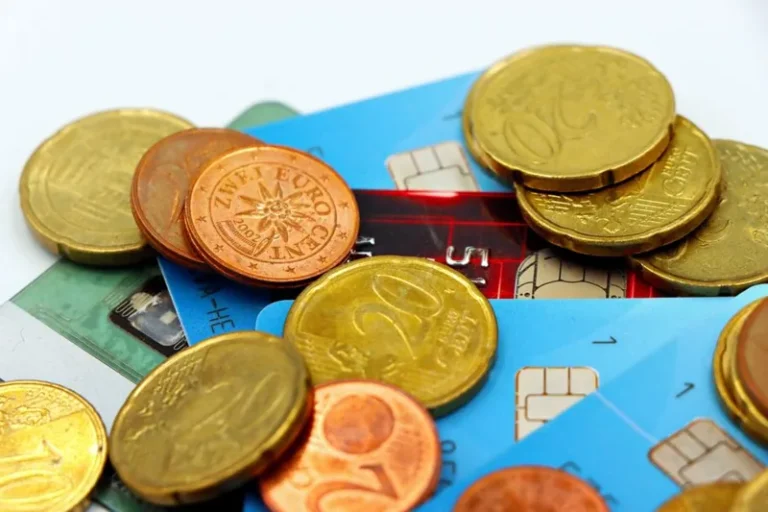
Yes. ATMs are everywhere in cities and tourist towns, though they charge $2 to $5 per withdrawal plus any home-bank fee. Carry a small cash reserve for villages and markets, and always choose local currency when prompted.
How much should I budget for entry fees and activities?
Set aside $5 to $15 per day as a rough guide. Temples and museums cost $2 to $15, while a dive day runs $40 to $60 and deserves its own line in your plan.
Build Your Backpacking Budget Southeast Asia With Confidence
Southeast Asia remains the world’s best classroom for budget travel. Set a realistic daily number, move slowly, eat where locals eat, and save your splurges for the experiences you will actually remember. A figure of $30 to $50 a day funds a rich, comfortable trip without constant penny-counting.
Before you pack, assemble your kit with our budget backpacking gear list, and lock in the cheapest route with our guide to how to find cheap flights. Budget the whole journey in one place with our vacation cost calculator, and you will step off the plane already ahead.