Scuba Diving Trip Cost: A Realistic Breakdown for 2026
The scuba diving trip cost covers far more than the water time itself. You pay for certification, flights to a dive destination, accommodation, boat trips, tank fills, and equipment — and those add up differently in every region. A smart budget treats diving as several separate line items, not one lump sum.
This guide breaks down the scuba diving trip cost by activity and by destination, using realistic 2026 prices. You will learn what a first trip costs, how liveaboards compare to shore-based stays, and where beginners get the most value. Lead with your goals, then let the numbers follow.
Whether you are after a cheap week in Southeast Asia or a luxury liveaboard in the Maldives, the same formula applies. Nail the hidden costs and you avoid a holiday that blows past its budget on day three.
What Actually Drives Scuba Diving Trip Cost
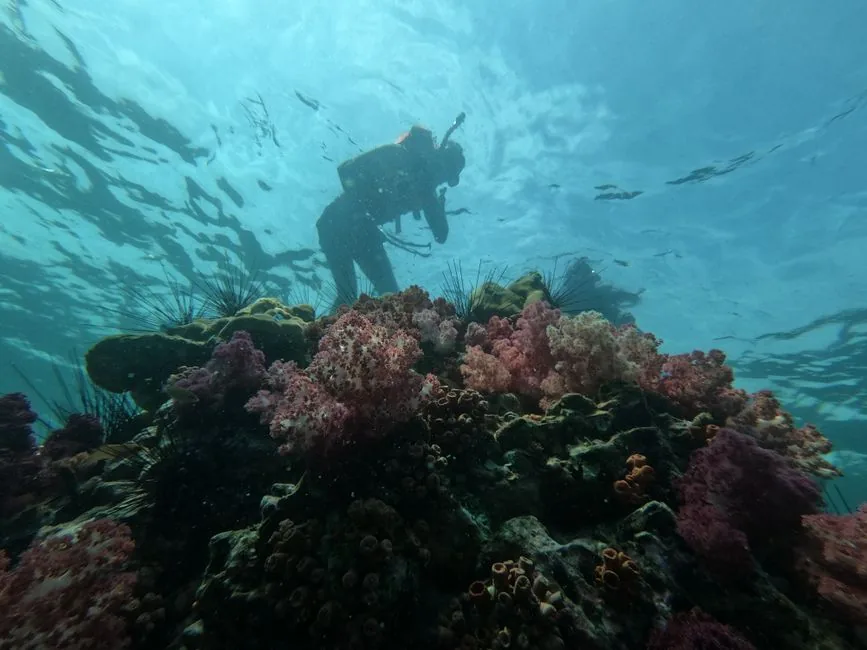
The single biggest driver is whether you are already certified. A beginner pays $400–$700 for an Open Water course on top of every other expense, while a certified diver skips straight to fun dives. Therefore, learning at home before you travel often saves money and frees up holiday days for actual diving.
Destination is the second lever. A guided shore dive in the Philippines might cost $30, while the same activity in Hawaii starts around $120. Labour costs, boat fuel, and demand explain the gap, so region choice moves your budget more than any gear decision.
Trip style is the third factor. Shore-based divers pay per dive, per tank fill, and for accommodation separately. Liveaboard guests pay one bundled rate that includes dives, meals, and a cabin. The choice between them changes both the price and the experience, as the comparison below shows.
Certification and Training Costs
If you are not yet certified, factor the course in. A full Open Water certification typically costs $400–$700 in Southeast Asia, $500–$800 in the Caribbean or Egypt, and $600–$1,000 in Europe, the US, or Australia. The fee normally includes equipment rental, study materials, and four open-water dives.
Referral options let you do the classroom and pool work at home, then finish the open-water dives on holiday. This spreads the cost and avoids losing three holiday days to coursework. Advanced and specialty courses such as Nitrox or Deep add $150–$400 each.
Liveaboard vs. Resort-Based Diving
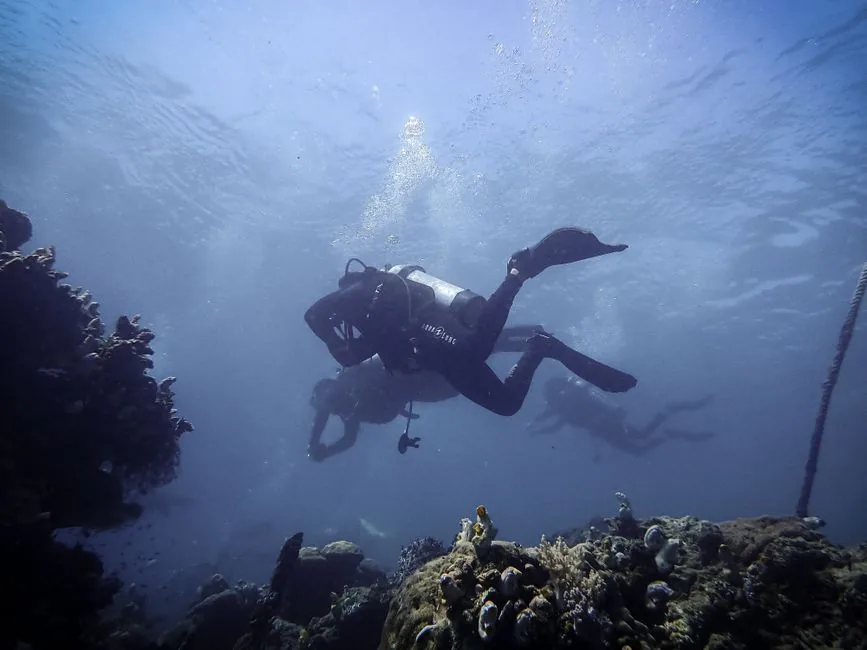
Your accommodation choice reshapes the whole trip budget. The table below compares a seven-day trip for a certified diver, per person, excluding flights.
| Expense | Shore-based (budget) | Shore-based (mid) | Liveaboard |
|---|---|---|---|
| Diving (per dive / package) | $30 – $60 per dive | $50 – $90 per dive | Included |
| Accommodation (7 nights) | $25 – $60 | $80 – $180 | Included |
| Meals | $15 – $30 / day | $40 – $80 / day | Included |
| Total (7 days, ex. flights) | $700 – $1,200 | $1,400 – $2,600 | $1,800 – $4,500 |
Shore-based diving wins on flexibility and cost for beginners. You can dive on your schedule and skip days without losing money. Liveaboards, on the other hand, win on total dives logged, because a week aboard can mean 20–25 dives, including remote sites a day boat cannot reach.
Typical Scuba Diving Trip Cost by Destination
Where you go sets the floor for your budget. The ranges below cover a seven-day certified diver trip, excluding international flights, per person in 2026.
| Destination | Budget | Mid-range | Luxury (liveaboard) |
|---|---|---|---|
| Philippines / Indonesia | $800 – $1,400 | $1,500 – $2,600 | $2,800 – $4,500 |
| Egypt (Red Sea) | $700 – $1,200 | $1,300 – $2,200 | $2,000 – $3,500 |
| Thailand | $850 – $1,500 | $1,600 – $2,800 | $3,000 – $4,800 |
| Maldives | — | $2,200 – $4,000 | $4,000 – $8,000 |
| Caribbean / Mexico | $1,100 – $1,900 | $2,000 – $3,500 | $3,500 – $6,000 |
| Australia (Great Barrier Reef) | — | $1,800 – $3,200 | $3,500 – $6,500 |
Egypt and Southeast Asia deliver the lowest cost per dive on the planet, which makes them the best beginner playgrounds. The Maldives and the Great Barrier Reef deliver world-class underwater scenery at a serious premium. Flights to remote islands add $300–$1,200 depending on your departure point.
Where Beginners Get the Most Value
Your first dive trip should maximise dives per dollar, not luxury. Egypt’s Red Sea offers reliably warm water, gentle wrecks, and shore dives for $25–$40, with all-inclusive resort packages that bundle diving and meals. It is the best value close to Europe.
The Philippines and Indonesia reward more travel with famous reefs such as Apo Reef, Tubbataha, and Raja Ampat. Budget travellers can keep a week well under $1,500 by sticking to shore-based operators and simple guesthouses. Thailand splits the difference with easy logistics and hundreds of dive schools competing on price.
For a first liveaboard, the Red Sea and the Similan Islands in Thailand offer entry boats from around $1,800–$2,500 a week. These let you sample the liveaboard experience without the Maldives price tag. In addition, several operators run seasonal discounts in shoulder months, which is the single easiest way to trim $300–$600 off a week aboard.
Gear: Rent or Buy?
Renting is the right call for a first trip. A complete rental set — BCD, regulator, wetsuit, mask, fins, and computer — costs $20–$60 per day, and most courses include it. Buying your own full set, however, runs $1,500–$3,500 upfront, so it only makes sense after several trips.
Priority purchases are mask, fins, and dive computer, which are personal, cheap to carry, and rented gear rarely fits well. Regulators and BCDs can wait. Therefore, spend $300–$800 on a mask, fins, and a used computer before your second trip, and rent the bulky items.
Remember that airlines charge for extra baggage, and dive gear is heavy. A full kit in a dedicated bag can trigger $60–$150 in overweight fees each way, which quietly erodes the savings of owning your own equipment.
Hidden Costs to Budget For
Entry and marine-park fees surprise many first-time divers. Popular sites in the Caribbean, Red Sea, and Indonesia charge $10–$50 per diver per day, and these fees are rarely included in the advertised package price.
Dive insurance, nitrox fills, camera housing rental, and tips for guides and boat crew all add up. A nitrox fill typically runs $10–$20 extra per tank. Budget an additional 15–20 percent on top of your headline price for these small but persistent extras.
Courses and gear aside, group packages reduce per-person cost. For bundled adventure holidays, see our guide to adventure travel packages all inclusive. If diving is one stop on a bigger trip, compare it with the math in how much does a safari trip cost and white water rafting cost per person to balance your itinerary budget.
How to Save on Your Scuba Diving Trip
Travel in the shoulder season. Between the peak months, operators drop dive packages by 10–25 percent, and you still get good visibility in most destinations. Book a dive-and-stay bundle rather than paying per dive, because bundles commonly include three to five free dives.
Certify before you fly. Finishing your Open Water course at home means every holiday day is a dive day, and local course prices are often cheaper than resort rates. Bring your own mask and fins, which are light, personal, and rented gear never fits as well as your own.
Consider a dive-focused group trip, where the per-diver boat and guide costs are shared. Finally, watch for park fee and nitrox surprises by asking the operator for an all-in quote in writing before you send a deposit. A clear quote is the cheapest insurance against a budget that quietly inflates mid-trip.
Frequently Asked Questions
How much does a scuba diving trip cost for a beginner?
Budget $1,000–$2,000 for a first certified trip to Southeast Asia, including the Open Water course, accommodation, and meals. Add $300–$1,200 for flights, and more if you choose the Caribbean or Australia.
Is it cheaper to learn to dive at home or on holiday?
Learning at home usually costs about the same per course, but it frees your holiday days for actual diving. The referral route — classroom and pool at home, open-water dives abroad — is often the best value.
Do I need dive insurance, and is it included in travel insurance?
Standard travel insurance rarely covers diving injuries properly. Dedicated dive insurance, such as that from Divers Alert Network (DAN), covers chamber treatment and evacuation, which can otherwise cost tens of thousands of dollars.
What is the cheapest country for scuba diving?
Egypt and the Philippines consistently offer the lowest cost per dive, with certified fun dives from $25–$50 each. Southeast Asia generally beats the Caribbean and Australia on price by a wide margin.
Conclusion
The scuba diving trip cost is controllable once you break it into parts. Beginners should learn at home, choose Egypt or Southeast Asia, and rent gear for the first trip. Certified divers get the most value from shore-based stays, or from a liveaboard when maxing out dive count matters more than price.
Add 15–20 percent to your headline quote for park fees, nitrox, tips, and insurance, and you will land on a budget that actually holds. For a deeper look at booking a diving holiday start to finish, see the certification options and package deals at PADI, then plan your own figures against the breakdown above.