Italy Itinerary 10 Days Cost: A Real Budget for 2026
A comfortable italy itinerary 10 days cost in 2026 runs $1,600 to $2,800 per person, excluding international flights. That includes hotels, food, intercity trains, and sightseeing across the classic Rome–Florence–Venice route. Budget travelers can do it for under $1,200, while luxury versions pass $5,000 easily.
Ten days is the most popular first-trip length to Italy. It is enough to see the three headline cities without rushing, and the route is served by frequent, affordable high-speed trains. This guide prices the whole journey line by line.
The Classic 10-Day Route and Its Costs
Most travelers split the ten days as Rome, Florence, and Venice, with a day trip or two. Here is the standard breakdown for one person on a mid-range budget in 2026.
| Expense | Budget | Mid-Range | Luxury |
|---|---|---|---|
| Accommodation (9 nights) | $450 (hostels) | $990 ($110/night) | $2,700+ |
| Food & drink (10 days) | $280 | $550 | $1,200 |
| Intercity trains | $90 | $140 | $350 |
| Attractions & tours | $100 | $220 | $700 |
| Local transport | $50 | $100 | $220 |
| Total per person | $970 | $2,000 | $5,170 |
Therefore, two people on a mid-range budget should plan on roughly $4,000 total before flights, since the second person shares the hotel cost. That figure is a solid anchor for a first-time visit.
Rome: What Three Days Cost
Rome is the priciest leg, mostly for hotels near the center. A mid-range double room near Termini or Trastevere runs $120 to $180 a night in 2026. Meals are easy to cap: a cacio e pepe at a trattoria costs $14, while a set lunch runs $18 to $25.
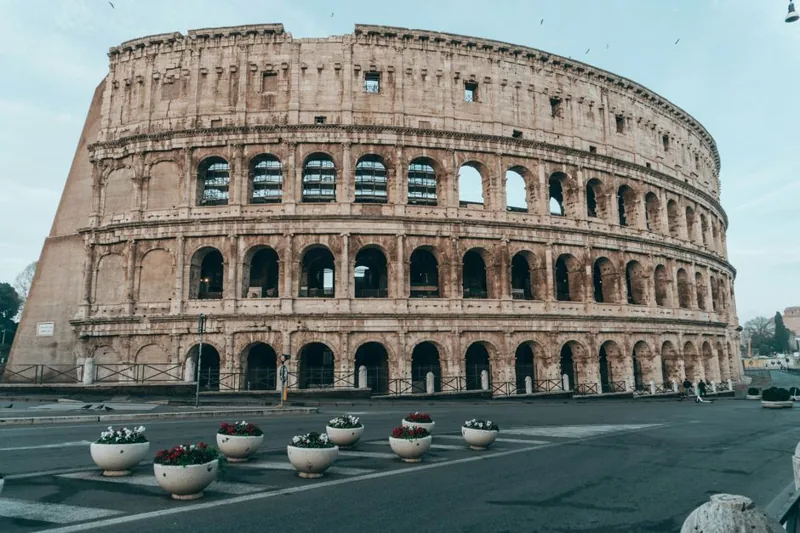
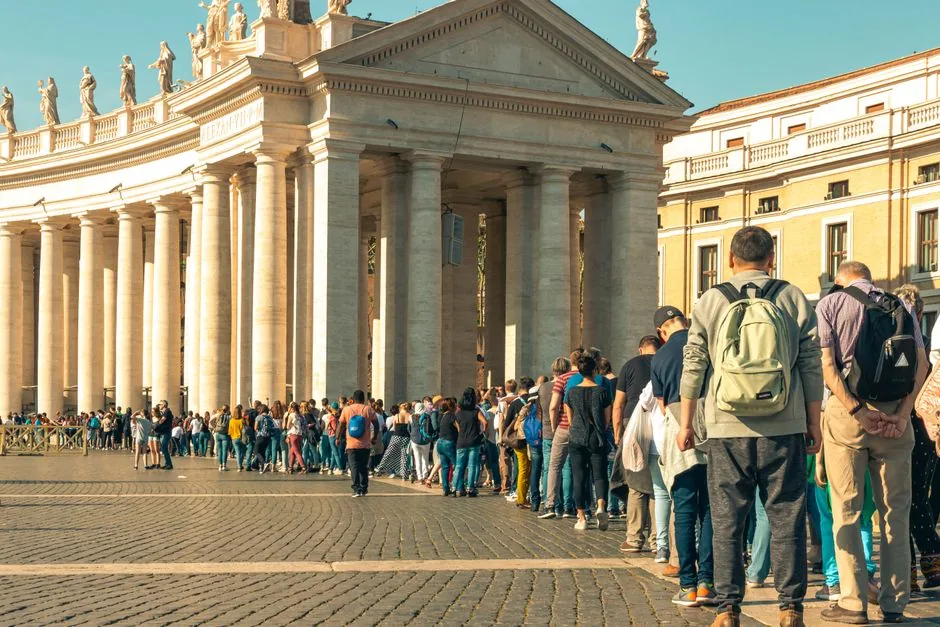
Sightseeing adds up, although many landmarks are free to see from outside. The Colosseum and Vatican Museums require timed tickets, so book ahead to skip lines. Therefore, budget $90 to $120 total for the major paid sites across three days.
Florence and Tuscany: The Best Value Stop
Florence is where your money stretches furthest on this route. The compact center is walkable, and the Duomo, piazzas, and bridges cost nothing to admire. A mid-range room runs $100 to $150, and a memorable bistecca dinner costs $35 to $45.
A day trip into Tuscany, whether by train to a hill town or a small-group wine tour, adds $60 to $120. Therefore, Florence is the place to splurge on one activity if your budget has any slack.
Venice: The Most Expensive Nights
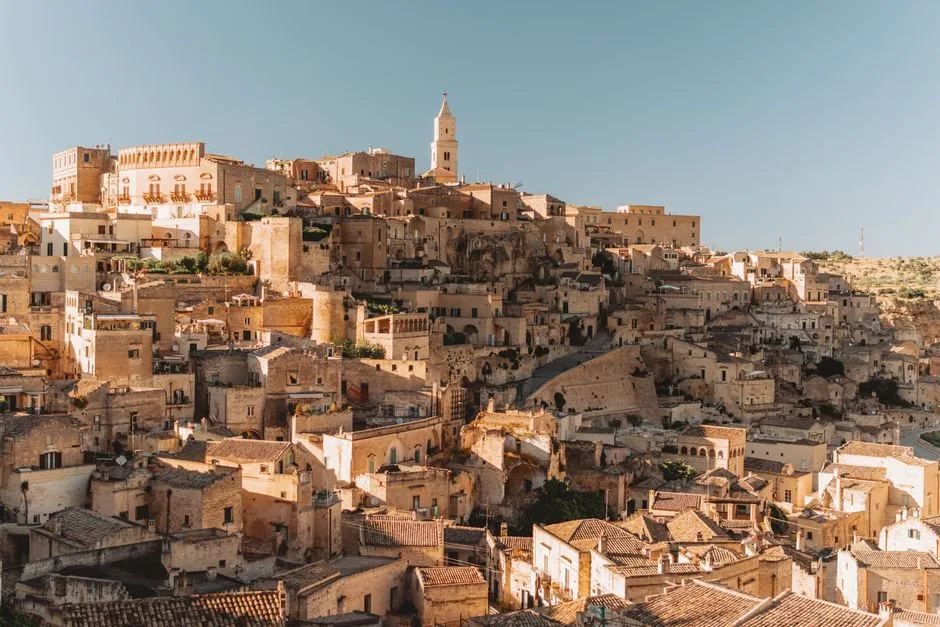
Venice is the most expensive city on the loop, and short stays cost the most per night. A mid-range room near the train station runs $150 to $220. Water buses are $9.50 per ride, though a multi-day pass quickly pays for itself.
The key to an affordable Venice is staying on the mainland in Mestre and riding in each morning. This simple move cuts the nightly rate nearly in half. In addition, eat one street meal of cicchetti, which are small bar bites, and you will cover lunch for under $15.
How to Keep the Total Down
A few tactics matter more than others. Book high-speed trains two to three months ahead, since the fixed saver fares are often a third of the walk-up price. For schedules and fares, the official Trenitalia site is the place to check, and route inspiration lives on the official Italia.it portal.
Stay a short walk outside the main piazzas, where hotel rates drop 30 percent for a ten-minute walk. In addition, make lunch your main meal, as Italian set lunches offer the same kitchen skill for less than dinner. For context on how Italy fits a broader tour, our Europe trip cost guide covers per-day figures across the continent, and the How much does a 2 week trip to Europe cost piece extends the math to a longer stay.
A Day-by-Day 10-Day Route
Here is a workable order that keeps trains short and costs predictable.
- Days 1–3: Rome, with a half-day for the Vatican and Colosseum
- Day 4: Train to Florence (1.5 hours)
- Days 5–6: Florence, plus one Tuscany day trip
- Day 7: Train to Venice (2 hours)
- Days 8–10: Venice, with one day on the islands of Murano and Burano
This route totals about six hours of train travel and three hotel moves, which is comfortable for ten days. The train legs cost roughly $45 to $65 each when booked early.
Pacing the Ten Days: Where the Money Actually Goes
How you split the ten days is as important as which cities you pick. The four-day Rome, three-day Florence, three-day Venice split is the default for a reason, but every extra hotel move adds a check-in and a train fare. Keeping three bases instead of four or five saves roughly $60 to $120 in transfers and the lost half-days that would otherwise go to logistics rather than sightseeing.
The biggest hidden cost is not moving around but staying in the centers. A room one Metro stop or a ten-minute walk outside the main piazzas routinely costs 30 percent less for the same standard, and it is usually quieter. Similarly, fix the day trips early — Tuscany from Florence, or Murano and Burano from Venice — because their $60 to $120 price tag is far easier to absorb when it is planned in from the start than when it is decided on a whim at the station.
Timing within the year matters as much as the split between cities. August brings the biggest crowds and the highest rates, while a stretch of holiday closures in Rome and Florence means some trattorias and shops are shut. April, May, late September, and October offer comfortable walking weather with hotel prices 15 to 25 percent below the summer peak and shorter queues at the Colosseum and Vatican Museums, which is itself a form of saving on a ten-day schedule.
Food, Tipping, and the Small Extras That Sneak Up
Italian food is where a little local knowledge saves the most money. An espresso and a cornetto at the bar costs around $2 to $4, but the same order served at a table runs double, because table service carries a surcharge. A trattoria set lunch is often half the price of an equivalent dinner, so making lunch your main meal is the single best dining move. Many restaurants also add a small coperto (cover charge) of $2 to $4 per person, which is normal rather than a trick — it simply should not be doubled by an additional service charge.
Tipping works differently from North America. Service is generally included or covered by the coperto, so a euro or two rounded up at a bar, or 5 to 10 percent for genuinely good restaurant service, is perfectly sufficient. On top of all this, remember the city tourist tax: Rome, Florence, and Venice each charge roughly $4 to $7 per person per night, collected at checkout and rarely shown in the headline room rate. Budget for it up front so the final bill matches your italy itinerary 10 days cost rather than leaving a surprise on the last morning. When you are ready to scale the plan up, the How much does a 2 week trip to Europe cost guide shows how the same discipline extends to a longer multi-country route.
A pre-booked high-speed train is the other quiet cost-cutter, since two seats on the Rome–Florence route bought early can cost less than a single flexible fare on the day. Carry a small amount of euro cash as well: some bars and market stalls still prefer it, and it spares you from card minimums. Layering these small habits across ten days — table-avoiding espresso breaks, lunch as the main meal, early trains, and outer-center rooms — routinely keeps a mid-range italy itinerary 10 days cost inside that $2,000 anchor rather than drifting above it.
Frequently Asked Questions
What is a realistic italy itinerary 10 days cost?
Plan $1,600 to $2,800 per person excluding flights for a mid-range trip. Budget travelers can manage $1,000 to $1,200, and luxury trips run $5,000 and up.
Is 10 days enough for Italy?
Ten days is enough for Rome, Florence, and Venice at a comfortable pace. It is not enough to add the Amalfi Coast or Sicily without cutting something, so keep the first trip focused.
Is Italy expensive for tourists?
Italy sits in the middle of Europe. It is cheaper than Switzerland or Scandinavia but pricier than Spain or Portugal. Food and trains offer excellent value if you book strategically.
How far in advance should I book trains in Italy?
Book high-speed trains two to three months ahead for the lowest fares. Popular departures sell out of cheap seats quickly, especially in summer.
Finalize Your Italy Itinerary and Budget
A solid italy itinerary 10 days cost comes in around $2,000 per person for a comfortable trip in 2026. Set the route first, book the trains early, and let the food and free piazzas do the rest. Once Italy is planned, balance the trip with our Europe trip cost overview or pair it with the Alpine numbers in the Switzerland trip cost for 2 guide.