Japan Trip Cost: How Much to Budget Per Day in 2026
A realistic japan trip cost for 2026 runs $90 to $160 per person per day for a comfortable mid-range trip, excluding international flights. Japan is cheaper than many travelers expect, especially for food. On the other hand, accommodation and its famous rail network are where budgets quietly climb.
The yen has also softened against the US dollar in recent years, which stretches your money further than a decade ago. This guide breaks down the daily numbers for lodging, food, transport, and activities, plus a sample two-week budget and a few cost traps to avoid.
What Makes Up Your Japan Trip Cost
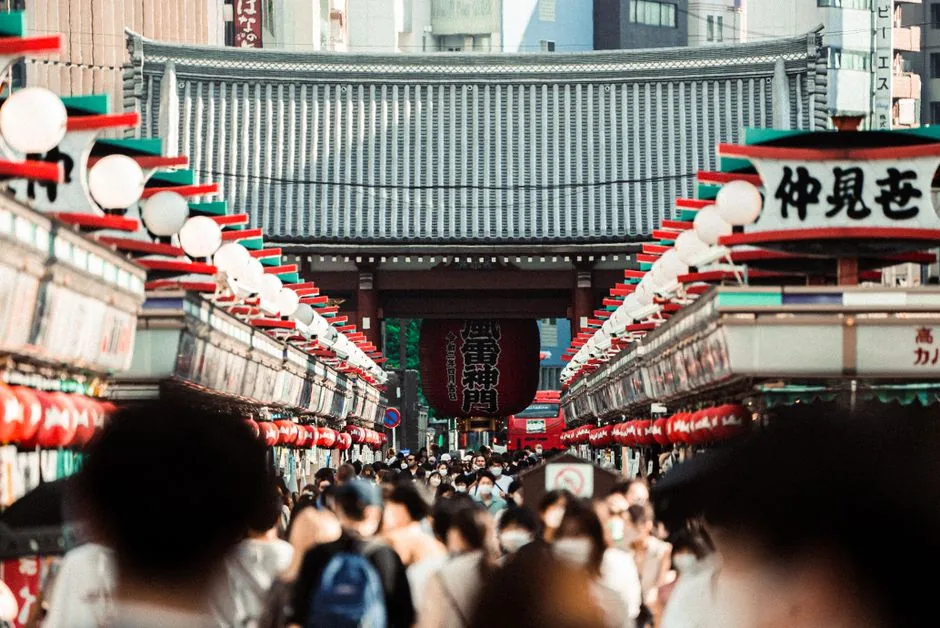
Japan’s costs split into a few distinct buckets. Accommodation is the largest, followed by the rail network for any traveler moving between cities. Food, surprisingly, is the best value, since excellent meals at family-run counters often cost less than $10.
Your biggest single decision is the Japan Rail Pass, or JR Pass. After a steep price increase in 2023, it now only saves money for travelers covering a lot of distance. In addition, many short hops are cheaper on point-to-point tickets, so do the math before you buy. For planning routes, the official Japan National Tourism Organization site is the authority on passes and destinations.
Japan Trip Cost by City
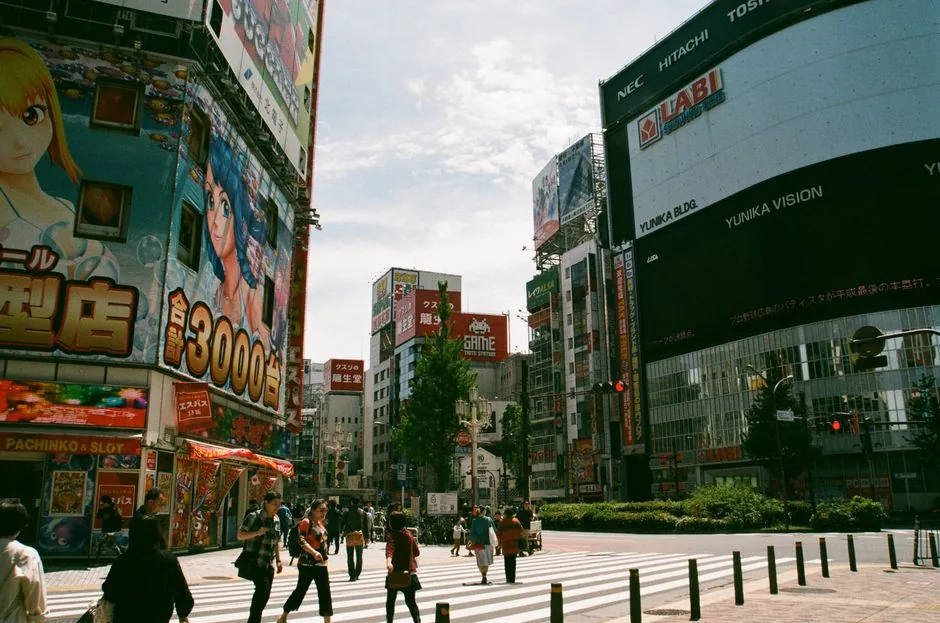
Where you base yourself changes the math fast. Tokyo and Kyoto sit near the top, while Osaka, Fukuoka, and smaller cities cost noticeably less.
| Expense | Budget | Mid-Range | Luxury |
|---|---|---|---|
| Accommodation | $30 (hostel/capsule) | $90 (3-star) | $300+ (ryokan/hotel) |
| Food & drink | $20 | $40 | $100 |
| Local transport | $8 | $15 | $35 |
| Attractions | $5 | $12 | $40 |
| Daily total | $63 | $157 | $475 |
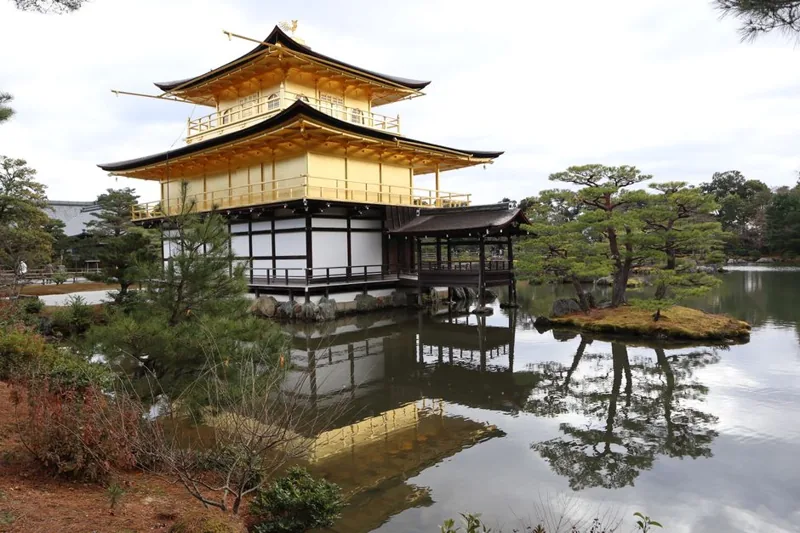
A night in a traditional ryokan with a kaiseki dinner can cost $250 to $600 per person, which is worth doing once. However, book it for a single night and fill the rest of the trip with standard hotels. For a sharper contrast with Southeast Asia pricing, our Thailand trip cost for 7 days guide shows how different the same budget tier can feel across Asia.
How Much Does Food Really Cost?
Food is the best news in any japan trip cost breakdown. A bowl of ramen or a set lunch runs $7 to $12. Convenience-store meals, which are genuinely good in Japan, cost $4 to $7. A mid-range dinner with a drink lands around $25 to $40.
Therefore, you can eat very well on $35 to $50 a day without trying. Groceries for picnics and breakfasts fall into the same range as most Western countries. The one exception is fine dining, where top sushi counters and kaiseki meals start at $150 and climb steeply.
The Rail Network and Your Transport Budget
Intercity transport is the silent budget killer. A reserved seat on the bullet train between Tokyo and Kyoto costs about $95 one way. Round trips between several cities add up quickly. Therefore, map your route first and compare the JR Pass against separate tickets.
Regional passes often beat the national pass for focused trips. For example, a Kansai-area pass around Osaka and Kyoto costs far less than the national option. Local subways are cheap at $2 to $3 a ride, but they add up over a week, so an IC card such as Suica or Pasmo keeps things simple and lets you top up as you go.
A Sample Two-Week Japan Budget
Here is a realistic 14-day trip for one mid-range traveler in 2026, visiting Tokyo, Kyoto, and Osaka.
- Round-trip international flight: $800–$1,300
- Accommodation (13 nights, $90/night): $1,170
- Food and drink (14 days, $45/day): $630
- Rail transport (Tokyo–Kyoto–Osaka and back): $310
- Local transit and IC card: $160
- Attractions, temples, and museums: $180
- Total excluding flights: $2,450 (about $175 per day)
A budget traveler who stays in hostels, eats simply, and skips the long rail legs can do the same two weeks for about $1,400 excluding flights. Meanwhile, a luxury trip with ryokan nights and taxis easily passes $6,000. This range is why firm per-day figures matter more than any single number you read online.
Where to Save Without Missing Anything
A few habits trim hundreds of dollars. Sleep in business hotels rather than international brands. Eat set lunches instead of dinners. Use a regional rail pass instead of the national one. In addition, buy an IC card on arrival and take advantage of free attractions, since many of Japan’s best experiences, including shrines, gardens, and walking districts, cost nothing.
Also consider traveling shoulder season. Late March to early April for cherry blossoms and November for autumn color are peak and pricey. In contrast, May, June, and October offer mild weather, thinner crowds, and lower hotel rates.
When You Go Changes Your Japan Trip Cost
Season is the quietest lever on your japan trip cost. The same three-star hotel that charges $90 a night in May can demand $160 or more during the first week of April, when cherry blossoms pull domestic and international travelers into the same narrow booking window. Kyoto in autumn color season behaves the same way, with river-view rooms doubling and ryokan rates climbing even faster.
The pattern is consistent across the country. Peak periods — late March to early April, Golden Week in early May, and the November foliage weeks — push accommodation up 30 to 60 percent and make popular shinkansen seats harder to grab at cheaper advance rates. Summer is a mixed bag: July and August bring festivals and school holidays that spike domestic travel, while the June rainy season keeps prices soft in much of the country.
For the best balance of weather and price, target late May, the second half of June, October after the early crowd, or the first half of December before the New Year rush. These windows deliver mild conditions and hotel rates near the annual low, often 20 to 40 percent below peak. The same timing logic applies to flights, which are cheapest when you book two to three months out for these quieter periods.
Hidden Costs That Quietly Inflate Your Japan Trip Cost
The headline numbers are only half the story. Several small but real expenses catch first-time visitors off guard, and together they can add $200 to $400 to a two-week trip.
Luggage forwarding (takkyubin). Japan’s luggage delivery services are a blessing when you are switching cities every two nights, but they are not free. Shipping a large bag between Tokyo and Kyoto runs $15 to $25 per bag per leg. If you forward bags on three or four legs for two people, the bill adds up fast. Backpackers with one carry-on bag skip this entirely.
Coin lockers and station storage. Lockers at major train stations cost $3 to $7 per use depending on size. Using them a few times a week to avoid hauling bags around is trivial individually but adds another $30 to $60 over a trip.
Taxis and missed last trains. A taxi from central Tokyo to the airport can exceed $200, and missing the last train home after dinner forces a $40 to $80 cab ride. Budget travelers should plan nights around the last train or stay near the districts where they plan to eat.
Dinner markups and cover charges. Many izakaya add a small table charge and expect at least one drink order, which tacks $3 to $8 onto every casual dinner. Fine, but it means your “cheap” bar meal often lands $10 higher than the menu suggested.
None of these are reasons to worry — they are reasons to plan. Knowing they exist is the difference between a $1,400 budget trip and a $1,800 one that feels identical.
Frequently Asked Questions
How much is a japan trip cost per day?
Budget travelers spend $60 to $70 per day, mid-range travelers $120 to $160, and luxury travelers $400 or more. Food and transport are affordable; hotels and long rail legs are not.
Is Japan expensive compared to Europe?
Japan is broadly comparable to Western Europe. Cities like Tokyo cost similar to Paris or Amsterdam, though food in Japan is often cheaper for the quality you get.
Do I need the JR Pass in 2026?
Only if you plan several long bullet-train trips. For one or two shinkansen legs, individual tickets are usually cheaper. Always price your route before buying a pass.
How much cash should I carry in Japan?
Japan still loves cash, though cards are now widely accepted in cities. Carry ¥10,000 to ¥20,000 (about $70–$140) for small shops, temples, and rural stops, and use an IC card for transit.
Budget Your Japan Trip With Confidence
A japan trip cost of $90 to $160 per person per day is a realistic planning range for 2026. Decide your cities, price the rail routes before you commit to a pass, and let the famously affordable food work in your favor. When you are ready to compare destinations, start with our Europe trip cost overview, and if a beach-and-temple route interests you more, check the Thailand trip cost for 7 days guide for the other side of Asia.