Cheap Flights: Best Time to Buy and When Prices Actually Drop
The cheap flights best time to buy is not a single magic day. For domestic trips, the sweet spot is roughly one to three months before departure. For international trips, you want to book two to eight months out. Waiting until the last two weeks almost always costs you more.
In this guide, I will break down the booking windows that repeatedly produce the lowest fares, the days of the week that matter, and the seasonal patterns you can lean on. You will learn exactly when to click buy for your specific route, so you stop guessing and start saving.
The short version: book earlier than you think, fly midweek, and avoid peak season when you have any flexibility at all.
Why the Best Time to Buy Changes by Route
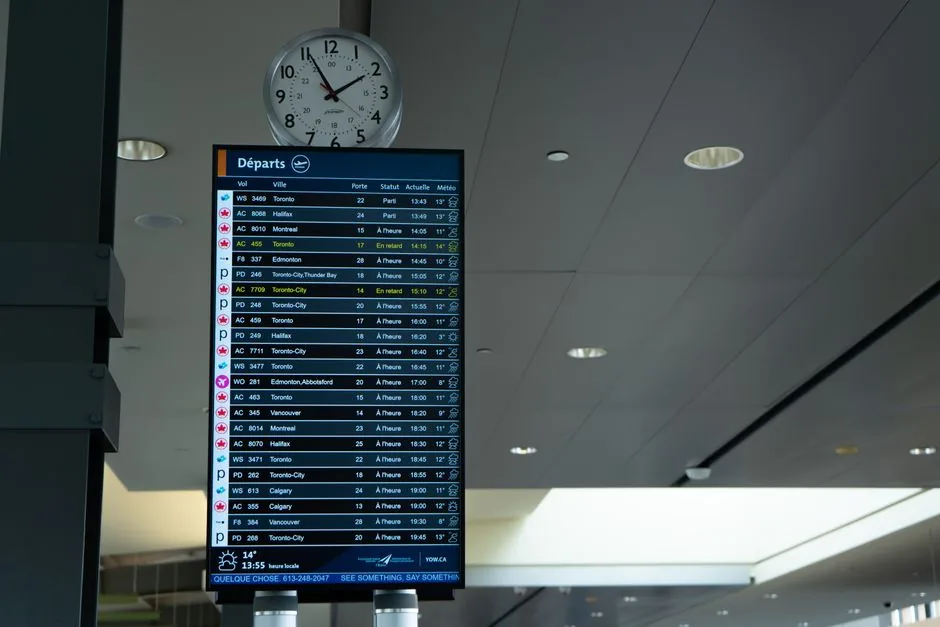
There is no single answer because airlines set prices differently for domestic, short-haul international, and long-haul routes. Understanding the category your trip falls into is the first step.
Domestic flights fill seats with business travelers who book late and pay more, so leisure travelers win by booking one to three months ahead. Short-haul international routes, like New York to Mexico City, follow a similar pattern. Long-haul routes, however, open at a lower baseline and climb as departure nears because airlines know international travelers plan far in advance.
For that reason, the booking window that works for a weekend flight to Denver may be terrible for a two-week trip to Japan. Start by identifying your route type, then apply the corresponding window.
The Booking Windows That Actually Work
Research from flight search data repeatedly lands on these ranges. While no window is a guarantee, these are the windows where cheap fares cluster most often.
- Domestic flights: 21 to 90 days out, with the biggest savings window at roughly 30 to 60 days.
- Short-haul international: 1 to 4 months out.
- Long-haul international: 2 to 8 months out, with 3 to 6 months as the classic sweet spot.
- Peak holiday travel: 6 to 10 months out, because demand-driven prices only climb from there.
Booking six months early for a domestic flight is rarely worth it, and booking three weeks out for Bangkok is a gamble you will likely lose.
Best Days of the Week to Book and Fly
The old rule that Tuesday is the cheapest day to buy has weakened as airline pricing became automated and continuous. However, two patterns still hold.
First, flying on Tuesday, Wednesday, and Saturday is almost always cheaper than flying Friday or Sunday. Those midweek departures dodge business and weekend-leisure demand. Second, when you do book, checking prices midweek and setting fare alerts matters more than buying on any specific day of the week.
A better habit is to set price alerts and buy when the fare hits a target you set in advance. That discipline beats chasing a mythical “best day” every time.
Cheap Flights Best Time to Buy: Season by Season

Seasonality is the biggest lever in your control. The same route can cost double in August versus February, and no booking-day trick will outrun that.
- Summer (June–August): The most expensive season overall. Book international summer travel in January or February, and domestic summer flights at least two months out.
- Fall (September–November): A genuine sweet spot. Demand drops after Labor Day, and fares often hit yearly lows in September and October.
- Winter (December–February): Mixed. Early December and late January are cheap; the two weeks around Christmas and New Year’s are the priciest of the year. Book holiday flights months ahead.
- Spring (March–May): Shoulder-season pricing with steady demand from spring break and Easter. Book one to three months out.
If you have flexibility, aim for the fall shoulder season. That single choice typically saves more than any booking-window tweak.
How to Use Fare Alerts to Catch the Dip
Since fares now change by the hour, the practical answer to finding the cheap flights best time to buy is automation. Fare alert tools watch your route and notify you when the price drops, so you buy at a real low instead of tracking manually.
Set alerts on multiple platforms at once. Skyscanner lets you search whole months and set price alerts on specific routes, while Google Flights shows you a price history graph so you can see whether today’s fare is genuinely low or merely average. Using both gives you a second opinion before you pay.
One more habit helps: search in incognito mode and clear cookies. Dynamic pricing is less dramatic than the rumors claim, but comparing from a clean browser removes any doubt that your search history is nudging the number upward.
Common Mistakes That Cost You Money
Even experienced travelers sabotage themselves. Here are the errors that show up most often.
- Booking too late. The final two weeks are the most expensive time to buy on nearly every route.
- Booking too early for short trips. Paying six months out for a domestic flight forfeits the chance to catch a sale.
- Ignoring nearby airports. Flying into a secondary airport can knock 20% to 40% off, even after ground transport.
- Insisting on round-trip. Two one-ways on different carriers sometimes price lower, and mixing airports opens options.
- Forgetting bag fees. A $40 “cheaper” fare loses to a legacy carrier once a $60 bag fee is added. Compare full cost, not base fare.
For a deeper walkthrough of the mechanics, see our companion guide on how to find cheap flights. If you are weighing whether the trip length or your hostel vs hotel cost matters more to your budget, we break those numbers down too. And if your question is narrower — which specific weekday wins — our airline tickets best day to buy post answers it directly.
Cheap Flights Best Time to Buy: Mistake Fares and Flash Sales
Beyond the standard booking windows, two types of deals can cut hundreds off any route. Mistake fares happen when an airline or online travel agent enters the wrong price, such as a $1,200 business-class ticket showing up at $190. They usually disappear within hours, sometimes minutes, so the only reliable way to catch them is through automated deal alerts that notify you the moment a price drops abnormally low.
Flash sales are more predictable. Airlines release short-lived discounts tied to a holiday, a new route launch, or a competitor’s sale, often running 24 to 72 hours. Low-cost carriers run these constantly, while full-service carriers push them in slower seasons. The trick is speed: have your dates and passport details ready, decide fast, and remember that most flash-sale tickets are non-refundable and changeable only for a fee.
Deal newsletters and communities such as Secret Flying or Going surface both mistake fares and flash sales. Pair them with the price alerts on Google Flights and Skyscanner so you catch both the broad-market pattern and the one-off anomalies in a single system.
How to Lock in the Lowest Fare Once You Spot It
Finding the right moment is only half the job. The other half is executing without losing the price. Many airlines hold a fare for 24 hours on numerous routes, either free or for a small fee, which gives you time to confirm dates with the people you are traveling with. When that is not offered, book directly with the airline rather than a third party, since direct bookings are far easier to change or cancel.
Payment matters too. Use a credit card with travel protection so a cancellation or delay does not quietly erase your savings, and check whether the fare includes bags before you click through. A base fare that undercuts the competition by $35 is pointless if the added bag and seat fees push the all-in cost back above the legacy airline. That final check is what turns a cheap-looking flight into a genuinely cheap one.
Frequently Asked Questions
What is the best day of the week to buy flights?
There is no consistent best day anymore. However, flying on Tuesday, Wednesday, or Saturday is reliably cheaper than Friday and Sunday, so focus on departure day rather than purchase day.
How far in advance should I book international flights?
For long-haul international trips, aim for two to eight months ahead, with three to six months as the sweet spot. For peak holiday travel, push that to six to ten months.
Are last-minute flights ever cheaper?
Rarely. Last-minute fares occasionally dip on undersold routes days before departure, but betting on it is a poor strategy for anything you cannot afford to lose.
Why is September so cheap to fly?
Demand falls sharply after Labor Day once schools are back in session, while airlines keep capacity steady. The result is some of the year’s lowest fares from September through early November.
Should I book cheap flights on a Tuesday?
The Tuesday rule is outdated. Continuous, automated pricing now updates around the clock, so set a fare alert and buy when it hits your target price instead.
Conclusion
The cheap flights best time to buy comes down to matching your booking window to your route, flying midweek when possible, and leaning into shoulder season. Master those three, and you will routinely pay less than the person next to you on the same plane.
Set your alerts, check a price history graph before you commit, and compare the full cost including bags. The cheapest ticket is the one you buy at the right moment, not the first one that looks low.