

Are Travel Credit Cards Worth It in 2026? A Balanced Answer
So, are travel credit cards worth it in 2026? For frequent travelers who pay their bill in full every month, the answer is usually yes. The right card can knock hundreds of dollars off a trip through sign-up bonuses and everyday spending rewards. For occasional travelers who carry a balance or hardly spend, the honest answer is usually no.
A travel card earns its keep in two ways. First, the welcome bonus alone often covers a transatlantic flight or a couple of hotel nights. Second, ongoing rewards of 2% to 5% back on travel and dining compound across the year. On the other hand, annual fees now run $95 to $695 on popular cards, and high interest rates punish anyone who does not pay in full.
This guide lays out the real math so you can decide without the hype. You will learn what the fees and points are actually worth, which types of travelers come out ahead, and what to use instead if a travel card is not your fit. When you are ready to compare specific options, our best travel credit card 2026 roundup picks the top cards for different travel styles.
The Two Forces That Decide Your Answer
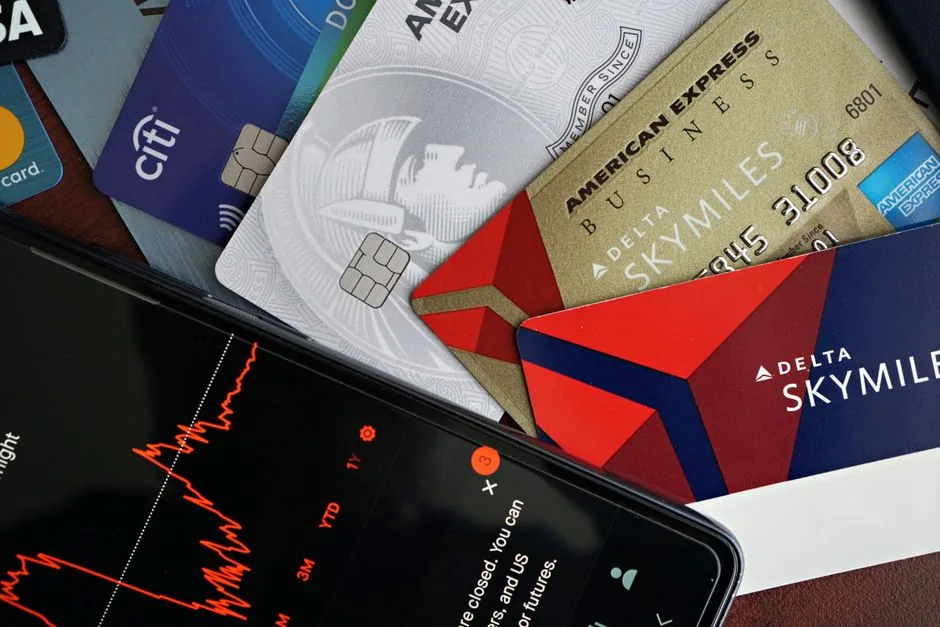
Every travel card is a trade between a yearly fee and the value you pull back in points and perks. The question is whether your spending habits tilt that trade in your favor. If you spend enough on travel and dining, the rewards outrun the fee within a few months.
Your payment behavior matters more than your spending. Interest on a carried balance runs 20% to 30% APR, which erases any rewards many times over. Therefore, the first rule is absolute: if you ever revolve a balance, a travel card is not worth it until that changes.
Your travel frequency is the second factor. Someone who flies three or more times a year and eats out regularly will sail past the break-even point. Someone who travels once a year, or mostly stays home, will struggle to justify a card with a meaningful annual fee.
What the Points Are Actually Worth
Points are only valuable if you redeem them well. Transferring points to airline and hotel partners usually yields the highest value, around 1.5 to 2 cents per point. Using them as a flat statement credit typically returns closer to 1 cent, which drags the value down.
A sign-up bonus of 60,000 points, transferred well, can be worth $900 to $1,200 in flights. That single event often pays for the first several years of annual fees by itself. In addition, ongoing categories such as 3x on travel and dining steadily add hundreds more over a full year.
However, points are not cash. Programs devalue them, blackout dates appear, and hoarding them for years while you wait for the “perfect” redemption risks watching their value shrink. The travelers who win treat points as a tool to use within a year or two, not a retirement fund.
Annual Fee vs. Value: The Break-Even Table
The table below shows what a typical 2026 travel card costs and roughly what you need to earn back to make it worth holding.
| Card type | Annual fee | Sign-up bonus value | Break-even yearly spend | Worth it if… |
|---|---|---|---|---|
| No-fee travel card | $0 | $150–$250 | Any spend | You want rewards with zero risk |
| Mid-tier card | $95 | $500–$700 | ~$12,000–$15,000 | You fly or dine out often |
| Premium card | $550–$695 | $800–$1,200 | ~$25,000–$35,000 | You travel monthly and use lounge perks |
These break-even figures assume you pay in full and redeem for travel rather than statement credit. For example, a $95 card earning 2x on travel needs roughly $6,000 to $8,000 in annual travel and dining to clear the fee on points alone, but the welcome bonus alone usually covers the first year regardless.
Who Should Carry a Travel Credit Card

Frequent flyers and road warriors get the most. If you fly several times a year, stay in hotels regularly, or expense work travel that you later reimburse, a travel card turns spending you were already doing into free trips. Premium perks like lounge access and travel credits then tip the premium cards into genuinely good value.
Foodies and everyday high spenders also do well. Cards that offer elevated points on dining, groceries, and transit reward the spending you already do, so the fee is effectively subsidized by your pantry runs and coffee stops. In addition, many travel cards now drop foreign transaction fees, which by itself saves 2% to 3% on every purchase abroad.
Casual travelers and families on tight budgets gain the least. One annual trip rarely generates enough points to outrun a $95-plus fee, and the discipline required to avoid interest is harder to keep when finances are already tight. For these travelers, a no-fee cash-back card is usually the safer and simpler choice.
When a Travel Card Is Not Worth It
Carrying a balance is the deal-breaker. At 25% APR, a $2,000 balance costs about $42 a month in interest, which over a year is five times the value of the points you would have earned. Consequently, anyone who cannot pay in full every single month should skip travel cards entirely.
Low spend is the second deal-breaker. If your annual card run totals under $10,000, a $95 fee eats most of your rewards, and a premium card becomes a pure money loser. A no-annual-fee cash-back card returns more for less risk in that scenario.
Finally, skip travel cards if you value simplicity. Points require monitoring programs, remembering category bonuses, and navigating transfer partners. If that sounds like a part-time job, a straightforward cash-back card from a site like NerdWallet or a plain 2% card will serve you better without the admin.
The Travel Card vs. Cash Back Decision
Choosing between the two is simpler than the marketing suggests. A travel card wins when you travel enough to redeem points for flights at boosted value and you can clear the fee. A cash-back card wins when your spending is steady but modest, or you simply want the money back with no strings attached.
For a fuller head-to-head of the trade-offs, read our travel credit card vs cash back comparison. Meanwhile, if the real goal is saving money on the actual trip rather than earning points, focus on our guide to the best time to buy cheap flights — the savings there are often larger and arrive with far less complexity.
Perks Beyond Points Worth Counting
Points are only half the value. Many travel cards carry benefits that save real money independent of any rewards balance, and these often justify the annual fee on their own for the right person.
Dropping the foreign transaction fee is the quiet heavyweight. Standard cards charge 2% to 3% on every purchase made outside your home country, so a traveler who spends $2,000 abroad saves $40 to $60 simply by using the right card. Over a multi-country trip, that alone is a meaningful discount with zero effort.
Trip insurance and rental car coverage sit in the second tier. Many premium cards include trip-cancellation, baggage-delay, and primary rental-car protection, which can replace policies you would otherwise buy separately. However, the coverage terms vary widely by issuer, so read the fine print before you lean on it.
Lounge access and travel credits round out the perks. A premium card attaching priority-pass lounge visits and a $300 annual travel credit can, for a monthly traveler, recover most of the fee through airport meals and baggage fees alone. Consequently, value lives in the perks you will actually use, not the ones the brochure lists.
How to Choose Without Overthinking
Start with your honest travel reality, then work backward to a card. If you fly three-plus times a year and dine out often, a mid or premium travel card earns its fee. If you travel once or carry any balance at all, choose a no-fee cash-back card and move on.
Check the specific categories you spend in, because a card’s 5x on flights is worthless if you road trip. In addition, confirm the annual fee, foreign transaction fee, and redeeming rules before you commit — these three numbers tell you more than any star rating.
Finally, treat the sign-up bonus as the tiebreaker rather than the reason. A bonus fades after year one, while the ongoing earn rate and fees are what you will live with for years. For a side-by-side of options across price points, our travel credit card vs cash back comparison lays out which type rewards your specific habits best.
FAQ
Are travel credit cards worth it for occasional travelers?
Usually not. If you travel once a year or spend under $10,000 annually, a mid or premium card’s fee likely exceeds the rewards you earn. A no-annual-fee cash-back card tends to deliver more value with less complexity.
How much do you need to spend to make a travel card worth it?
For a $95 annual fee card, plan on $12,000 to $15,000 of yearly spending, weighted toward travel and dining, to break even on ongoing rewards. The first-year welcome bonus, however, often covers the fee on its own regardless of spend.
Do travel credit cards hurt your credit score?
Only if you misuse them. Paying in full and on time builds credit, while high balances, missed payments, or many rapid applications can lower your score. The card itself is neutral; the behavior decides the direction.
Are premium travel cards with $550 fees ever worth it?
For frequent monthly travelers, yes. Lounge access, travel credits, and strong sign-up bonuses can exceed the fee when you use them. For anyone flying only a few times a year, the fee is rarely justified.
Decide on the Math, Not the Marketing
Whether travel credit cards are worth it ultimately comes down to two honest questions: Do you pay in full every month, and do you travel enough for the rewards to outrun the fee? Answer yes to both, and a well-chosen card genuinely pays for itself. Answer no to either, and you are almost always better off with a simple no-fee card.
Run the numbers against your own spending before you apply, and treat the welcome bonus as a bonus rather than a reason to spend more than you would anyway. If a travel card fits, start with our best travel credit card 2026 list; if it does not, save the fee and put the difference straight into your next trip.